
Israel, US Plan Iran Strikes Post-Midterms Amid Military Caution
Translated & summarized from Al-Shams by baba
The U.S. and Israel are reportedly preparing plans for renewed strikes against Iran after the U.S. midterm elections, though Israeli military officials state an attack is not currently justified. President Trump has not blocked potential strikes, but they are not considered imminent. Tensions are high due to mutual rhetoric and ongoing military drills, with concerns about miscalculation and escalation. Iran has warned of retaliation, including targeting U.S. bases and potentially Saudi oil facilities, while also reporting damage to seven oil tankers in the Strait of Hormuz.
The story in 5 lines · by baba
- Israel and the U.S. are reportedly planning renewed strikes on Iran after the U.S. midterm elections.
- Israeli military officials believe an attack is not currently justified unless Iran initiates aggression.
- President Trump has not prevented potential strikes but has not ordered them before the elections.
- Tensions are high with ongoing military drills and public statements from Israeli leaders.
- Iran has threatened retaliation and reported damage to seven oil tankers in the Strait of Hormuz.
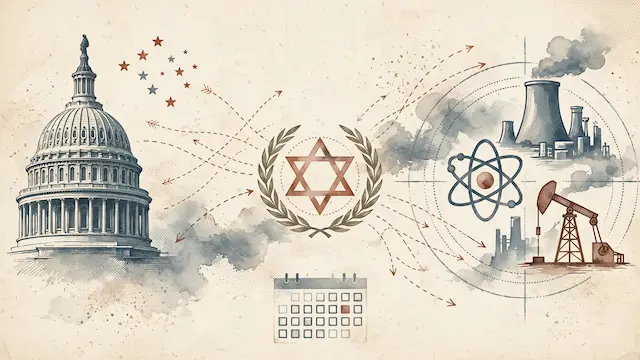
Israel and the United States are reportedly preparing plans for renewed strikes against Iran following the U.S. midterm elections on November 3. However, Israeli military officials currently do not see a justification for an attack unless Tehran shows signs of preparing its own offensive against Israel. U.S. President Donald Trump has not issued a decision to prevent such an attack, but a new strike was not considered imminent, despite heightened military readiness on both sides. These developments coincide with public statements from Israeli Prime Minister Benjamin Netanyahu and Defense Minister Yisrael Katz regarding the Iranian threat, alongside ongoing air force drills and operational preparations. Concerns are rising that mutual rhetoric could lead to miscalculation and a new confrontation.
Senior Israeli military officials told Israeli media that an attack on Iran before the U.S. elections is currently unwarranted unless Iranian preparations for an attack on Israel are detected. They clarified that increased military alert levels are for preparing for escalation and potential sudden security developments, not a political decision to attack. Previous reports indicated disagreements between Netanyahu and Trump on the timing of military operations against Iran, though Netanyahu denied a report that Trump had thwarted a planned Israeli attack in October, declining to detail his conversations with the U.S. president on the matter.
Trump had previously stated the U.S. would not resume strikes on Iran before the elections, noting ongoing talks. Nevertheless, military plans are still being formulated without a final decision. In parallel with military preparations, disagreements have emerged over political statements. Netanyahu and Katz continue to publicly discuss the possibility of renewed confrontation with Iran, while the military aims to maintain readiness without provoking an uncalculated escalation. Netanyahu stated Iran is "again trying to develop death bombs," referring to what Israel perceives as a threat from Iran's nuclear program. Katz, meanwhile, stated that Naftali Bennett, Yair Lapid, and Yair Golan would be responsible for any attack or operation targeting Israel, sparking debate about political messaging during heightened security. Military officials noted they cannot control political statements but must manage their potential impact on the ground. Observers warn that public threats could prompt Iran to increase its military readiness, potentially leading to a cycle of mutual actions and reactions, with miscalculations potentially igniting a conflict neither side intended.
Israeli Air Force drills simulating attacks on Iran are ongoing, involving dozens of fighter jets practicing scenarios for striking targets within Iran. These exercises aim to maintain aircraft and crew readiness, practice flight paths, study targets, and enhance long-range operational capabilities. Such drills do not necessarily indicate an imminent attack decision but are part of preparing for various scenarios amid ongoing tensions. U.S. and Israeli militaries have reportedly intensified drills, including flights over Iraq to simulate potential routes and operations. U.S. Secretary of Defense Pete Hegseth met with Netanyahu during a visit to Israel to discuss regional threats.
On the U.S. side, Trump accused Iran of attempting to influence oil prices before the midterms by promoting reports of attacks, damage, and sea mines. These statements are significant given the unrest in the Strait of Hormuz, a key oil transit route. International parties fear renewed military operations could expand to energy facilities and commercial shipping, impacting energy supplies and prices. Iranian state media reported that seven oil tankers were damaged overnight in the Strait of Hormuz due to attacks and collisions with sea mines, though independent verification of all details is pending. Iran also threatened to target U.S. bases if Washington attempted to secure tanker passage through alternative routes. Some oil tanker operators are reportedly continuing to transit the strait at night, using a route near the Omani coast, allegedly protected by U.S. forces, with measures to reduce traceability.
In a display of military capability, Iranian state television aired footage it claimed showed a production line for suicide drones, featuring Army Commander Amir Heshmatollah Hatami and a purported advanced Iranian drone. This release comes amid ongoing threats between Tehran, Washington, and Tel Aviv, with a focus on Iran's drone and missile capabilities as potential tools in a new confrontation. The details of the production line and drone were not independently verified.
Plans for new U.S.-Israeli strikes after the elections are reportedly being prepared by the U.S. and Israel for a short, intensive operation, potentially targeting Iranian energy facilities, nuclear sites, and drone and missile stockpiles. Sources suggest such strikes could significantly damage Iran's economy, potentially leading to concessions in negotiations. Some scenarios involve a military campaign lasting about three days, with the decision contingent on U.S. administration assessments and political communications. However, the preparation of plans does not confirm a final decision, as Trump may approve or reject them amid ongoing disagreements over Iran's nuclear program and the security of the Strait of Hormuz. In response, Iranian officials reportedly are aware of potential U.S.-Israeli plans and are developing retaliatory targets and tactics, including potential strikes on data centers, undersea internet cables, energy facilities, and U.S. bases. One Iranian political analyst suggested targeting major Saudi refineries, such as those belonging to Aramco, which could cause significant disruption to oil and energy markets. These threats highlight concerns that any future confrontation could extend beyond Iran and Israel to involve Gulf states, maritime routes, and vital infrastructure impacting the global economy.
These developments occur amidst ongoing U.S. and Israeli military preparations, alongside statements emphasizing that resuming attacks is not a certainty before the U.S. elections. While Washington seeks to keep military options open to pressure Tehran, Iran warns that any new attack will be met with a response that could target broader objectives than in previous confrontations. The situation remains open to multiple possibilities, balancing military and political pressure with attempts at understanding, as any escalation in the Strait of Hormuz or targeting of energy facilities could have repercussions beyond the region, affecting global oil markets and international trade.
Mentioned
The same event, reported separately by each outlet. Open a few to compare what different newsrooms emphasize — and what they leave out.
Left 2Centre 8Right 5Haredi 2Arab 4Other 5































Not the same event — other stories that share this one’s people, places, or theme: background, reactions, and follow-ups.
