
US and Israel Draft Plans for New Strikes on Iran Post-Election
Translated & summarized from NEWSru Israel by baba
The United States and Israel have prepared detailed plans for significant strikes against Iran, potentially to be carried out after the U.S. midterm elections on November 3. The operation, described as short but intense, targets Iranian energy, nuclear, and military facilities. President Donald Trump has not yet made a final decision, having previously postponed strikes. Both nations are considering political and economic ramifications, while Iran reportedly prepares for expanded retaliation.
The story in 5 lines · by baba
- US and Israel have detailed plans for large-scale strikes on Iran post-US elections.
- Potential targets include Iran's energy infrastructure, nuclear sites, and missile systems.
- President Trump has not finalized a decision, having previously delayed strikes.
- Iran is reportedly preparing for expanded retaliatory attacks on infrastructure and communication lines.
- Israeli parliamentary elections on October 27 could influence Prime Minister Netanyahu's actions.
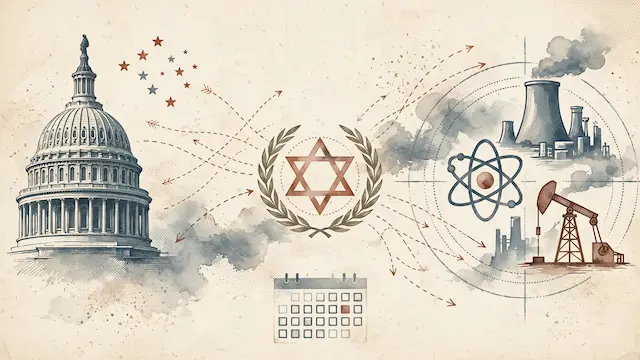
The United States and Israel have developed detailed plans for renewed, large-scale strikes against Iran, to be potentially launched after the U.S. midterm elections on November 3. According to The New York Times, citing U.S. officials and sources familiar with the discussions, the operation would be short but intense, with preparations already in a practical stage. U.S. and Israeli military forces have intensified exercises, including flights over Iraq, to practice necessary strike maneuvers. U.S. "war minister" Pete Hegset discussed the potential operation with Prime Minister Binyamin Netanyahu during a recent visit to Israel.
Potential targets include Iran's energy infrastructure, nuclear facilities, missile systems, and drone operations. Some U.S. military leaders believe a three-day intensive strike campaign could inflict enough economic damage to force concessions from Iran in negotiations. A particular focus is a deep underground facility known as Pickaxe Mountain (Kuh-Kolang), south of Natanz, which experts suspect is used to advance Iran's nuclear program. However, some U.S. officials oppose targeting oil refineries due to fears of a sharp rise in global oil and gasoline prices.
By early November, the U.S. aims to concentrate significant military assets in the region, including three aircraft carriers, thousands of Marines, combat aircraft, and special forces. The U.S. military is also considering the longer nights for extended nocturnal operations. President Donald Trump has not made a final decision, having previously rejected proposals for new large-scale attacks and promising not to strike before the November 3 elections, citing ongoing negotiations with Tehran.
A White House representative stated the administration does not comment on potential military plans but emphasized that Trump keeps all options open to prevent Iran from acquiring nuclear weapons. The Times notes the political timing, with Israeli parliamentary elections on October 27 potentially influencing Netanyahu's ability to initiate a campaign. Washington is also weighing the domestic economic and political consequences of renewed conflict.
Iran is reportedly preparing for expanded retaliatory attacks, potentially targeting data centers and undersea internet cables in addition to oil infrastructure and commercial vessels. Iranian officials warn that any new conflict would be neither short nor limited. Diplomatic efforts continue, with Washington seeking concessions on Iran's nuclear program and freedom of navigation in the Strait of Hormuz, while Tehran wants to postpone nuclear discussions.
Mentioned
The same event, reported separately by each outlet. Open a few to compare what different newsrooms emphasize — and what they leave out.
Centre 3Right 2Haredi 1Arab 1Other 2










Not the same event — other stories that share this one’s people, places, or theme: background, reactions, and follow-ups.




