
US and Israel Prepare for Iran Attack Post-Midterms
Translated & summarized from Ice by baba
The U.S. and Israel are reportedly preparing for a significant military operation against Iran, potentially commencing after the U.S. midterm elections on November 3. The targets are said to include strategic sites like the "Mount Machpelah" nuclear facility. This comes after President Trump previously blocked an Israeli plan for a broad attack on Iran before the U.S. elections. Iran has warned of retaliation, possibly targeting global energy markets by striking Saudi refineries, to pressure President Trump.
The story in 5 lines · by baba
- U.S. and Israel are reportedly planning a major strike on Iran after U.S. midterm elections.
- The "Mount Machpelah" underground nuclear facility is a key target in the planned operation.
- President Trump previously blocked a broader Israeli attack on Iran before the U.S. elections.
- Iran warns of retaliation, potentially targeting Saudi oil facilities to impact global prices.
- Israel's upcoming election adds political uncertainty to the potential military operation.
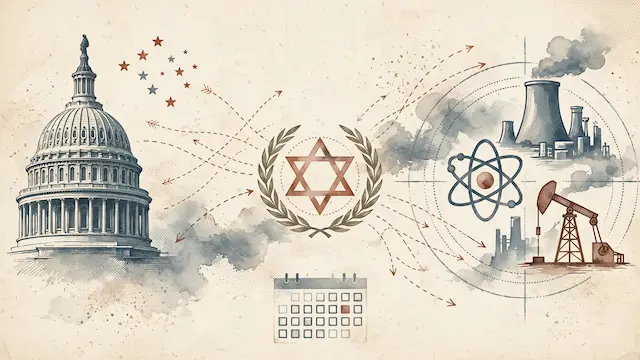
The U.S. military and the IDF are preparing for renewed strikes in Iran following the U.S. midterm elections on November 3, according to a report by The New York Times. American sources indicate that President Donald Trump and Prime Minister Benjamin Netanyahu are formulating plans for a focused and intense operation targeting strategic sites, including the underground nuclear facility "Mount Machpelah." While Trump has mentioned the possibility of using the "mother of all bombs," the most powerful non-nuclear munition in the U.S. arsenal, experts note its limitations against deeply buried, granite-protected sites. Operational challenges, such as the need for a slow, vulnerable MC-130 transport aircraft, further complicate attacking this target.
The report suggests these plans were discussed during a discreet meeting between Netanyahu and U.S. Defense Secretary, where new attack strategies were reviewed. The planned operation, expected to last about three days, would target critical Iranian sites like energy and nuclear facilities, drone depots, and missile arrays. This comes after Israel had planned a broader attack on Iran approximately a month prior, aimed at civilian infrastructure, power stations, and nuclear facilities. However, this initiative was halted due to President Trump's opposition, as he refused to authorize overt military action just before the U.S. midterm elections. The White House acknowledged Iran's difficult economic and military situation but emphasized avoiding extensive military actions at this time.
Tehran has stated it is aware of U.S. and Israeli attack plans and warns that any conflict will not be brief. Iran is reportedly developing new tactics, threatening to strike less predictable targets like data centers and undersea internet cables. A key pressure point identified by Iran is the American consumer, with political commentator Fayman Salehi explaining that an attack would prompt retaliation, potentially targeting major refineries in Saudi Arabia, including Aramco facilities. The goal is to immediately spike global oil and fuel prices, thereby exerting direct political pressure on Trump through the U.S. public.
Simultaneously, Israel's election on October 27 introduces political and operational uncertainty. Netanyahu's potential tenure as caretaker prime minister could limit his ability to launch a war but might also serve as leverage for forming an emergency unity government. Leaders of the opposition bloc are expected to condition their support on being briefed on the military plans. As Washington and Jerusalem prepare for a potential escalation, Tehran is identifying its next economic target, leaving the critical question of who will act first and whether the planned strike will lead to a decisive outcome or a wider regional conflict.
Mentioned
The same event, reported separately by each outlet. Open a few to compare what different newsrooms emphasize — and what they leave out.
Left 2Centre 8Right 5Haredi 2Arab 4Other 5































Not the same event — other stories that share this one’s people, places, or theme: background, reactions, and follow-ups.
