
US and Israel Plan Dramatic Strikes Against Iran After Elections
Translated & summarized from Srugim by baba
The U.S. and Israel have prepared detailed plans for strikes against Iran after the November 3 midterm elections, potentially involving a three-day offensive targeting nuclear and missile sites. President Trump has not yet approved the operation, reportedly concerned about rising fuel prices. Iran is aware of the plans and is developing retaliatory strategies, possibly including attacks on regional energy infrastructure.
The story in 5 lines · by baba
- U.S. and Israel have detailed plans for strikes against Iran post-November 3 elections.
- A potential three-day offensive could target Iran's nuclear and missile infrastructure.
- President Trump has not yet approved the operation, citing fuel price concerns.
- Iran is aware of the plans and preparing retaliatory measures.
- Iranian responses could include targeting regional energy facilities.
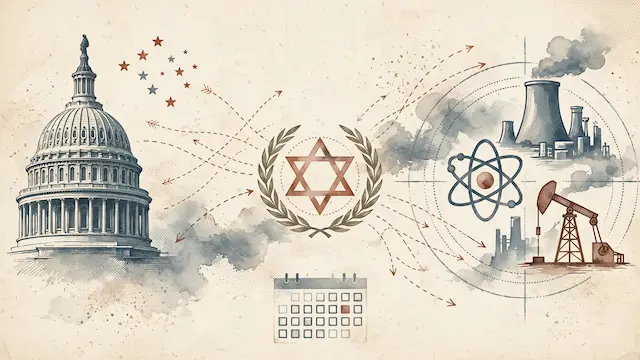
The United States and Israel have developed detailed operational plans to renew strikes against Iran following the U.S. midterm elections on November 3, according to a "New York Times" report citing American officials and sources familiar with the discussions. One potential option being considered is a brief, intense military campaign targeting facilities related to Iran's nuclear program, missile and drone systems, and other infrastructure.
Despite the planning progress, U.S. officials emphasized that President Donald Trump has not yet decided to launch an operation. Some American sources believe a concentrated, three-day offensive could inflict significant economic damage on Iran, thereby increasing pressure for negotiation. However, there are reservations within the administration about attacking oil facilities and refineries, as Trump reportedly wishes to avoid actions that could further increase fuel and energy prices.
As part of the military preparations, Israel and the U.S. have reportedly intensified joint training and aerial activity in the region, including flights over Iraq simulating potential attack routes to Iran. U.S. forces, including aircraft carriers, fighter jets, Marines, and special forces, are expected to be deployed through early November. The U.S. military also prefers to conduct strikes during the longer nighttime hours in Iran next month.
Meanwhile, Tehran is also preparing for the possibility of renewed conflict. Iranian sources are reportedly aware of the Israeli and U.S. military plans and are developing response options. These include targeting data centers, communication infrastructure, and undersea internet cables. Iran may also consider striking energy facilities in regional countries to cause a surge in oil prices and pressure the U.S. Iranian commentator Payman Salehi suggested Iran might target major refineries in Saudi Arabia, such as those belonging to Aramco, to disrupt global energy supplies and leverage fuel prices against the Trump administration.
One potential target mentioned is Iran's "Mountain of Fire" nuclear site, reportedly located deep underground. Last week, Trump alluded to the possibility of using the U.S. "mother of all bombs" against this facility.
The same event, reported separately by each outlet. Open a few to compare what different newsrooms emphasize — and what they leave out.
Left 1Centre 6Right 5Haredi 2Arab 3Other 2





















Not the same event — other stories that share this one’s people, places, or theme: background, reactions, and follow-ups.
