
US and Israel Plan 3-Day Intensive Attack on Iran, Tehran Warns of Regional War
Translated & summarized from Alarab by baba
The New York Times reported that the U.S. and Israel have developed detailed plans for a potential three-day intensive military strike on Iran, targeting nuclear and military facilities. Iran has warned of a wider regional war and is preparing countermeasures. While military preparations are underway, no final decision to attack has been made by the U.S., with considerations including avoiding oil infrastructure to prevent fuel price hikes. The U.S. military has also been discreetly reducing its presence at some Middle Eastern bases.
The story in 6 lines · by baba
- The U.S. and Israel have reportedly planned a "short and intensive" three-day military strike on Iran.
- Potential targets include Iran's nuclear facilities, energy infrastructure, and drone systems.
- Iran has warned of a regional war and is developing countermeasures against potential attacks.
- The U.S. is considering avoiding strikes on oil infrastructure to prevent global fuel price increases.
- No final U.S. decision to launch an attack on Iran has been made.
- The U.S. military has been reducing its presence at some Middle Eastern bases.
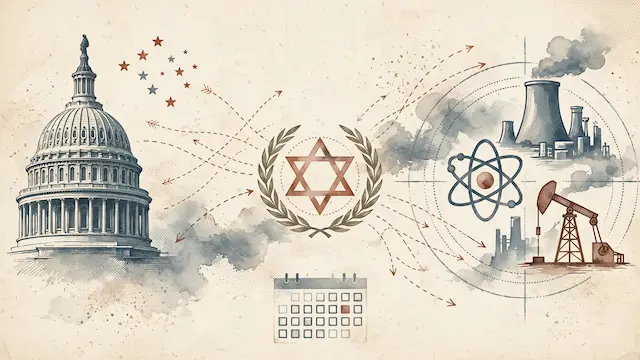
The United States and Israel have developed detailed military plans for a potential "short and intensive" offensive against Iran, targeting nuclear facilities, energy infrastructure, and missile and drone systems, according to a report by The New York Times citing U.S. officials and sources familiar with the discussions. Preparations for a possible military operation are reportedly underway following the U.S. midterm elections on November 3rd. Some U.S. officials believe a three-day intensive strike could inflict significant economic damage on Iran, compelling it to make concessions and return to negotiations.
Washington is still considering the specific targets, with some plans potentially avoiding strikes on oil refineries and infrastructure due to concerns about further fuel price increases, which President Donald Trump aims to avoid. Meanwhile, Iranian officials have issued warnings that any new attack would not be confined to a short timeframe. They are aware of the U.S. and Israeli military plans and are developing new tactics and targets in anticipation of a potential confrontation. Iran's potential responses include targeting data centers, undersea internet cables, and vital regional infrastructure, which could broaden the scope of the conflict and its economic and security repercussions.
Despite the military preparations, The New York Times emphasized that no final U.S. decision to attack Iran has been made. Earlier reports from the Financial Times indicated that the Israeli military had prepared for several days of conflict with Iran, but Trump had opposed resuming military operations before the elections. Concurrently, NBC reported that the U.S. military has been discreetly reducing its forces at several Middle Eastern bases in recent days, while the State Department ordered further staff reductions at some diplomatic missions in the region. Informed officials suggested these steps resemble those taken at the start of the conflict with Iran in February, citing "ongoing threats in the region, including Iranian threats."
U.S. officials noted that American soldiers were evacuated from bases in countries including Jordan, Qatar, and Kuwait as a precautionary measure to mitigate risks in case of escalation. Regarding an Israeli aerial sortie near the Iranian border, U.S. officials stated Israel was aware that Iranian air defense systems would detect the aircraft. Israel reportedly informed the U.S. of the operation beforehand, framing it as a military drill to demonstrate strength and deter Iran from attacking Israel before the elections. However, some U.S. sources suggested Israel might have hoped Iranian forces would fire on the aircraft, potentially providing a pretext for new attacks against Iran.
With no final U.S. decision on an attack yet, the military plans and their timing and targets remain subject to political and operational developments in the coming weeks.
Mentioned
The same event, reported separately by each outlet. Open a few to compare what different newsrooms emphasize — and what they leave out.
Left 1Centre 6Right 5Haredi 2Arab 3Other 2





















Not the same event — other stories that share this one’s people, places, or theme: background, reactions, and follow-ups.