
US and Israel Finalize Preparations for Potential Iran Strike
Translated & summarized from Cursorinfo by baba
The United States and Israel are finalizing preparations for a potential military strike against Iran, planned for after the U.S. midterm elections on November 3. The operation, reportedly a short but intense bombing campaign, would target Iran's nuclear facilities, energy infrastructure, and military sites. President Donald Trump has not yet given final approval, and the timing is influenced by upcoming elections in both countries and concerns over Iran's potential response. Diplomatic efforts are ongoing.
The story in 6 lines · by baba
- US and Israel are preparing for a potential military operation against Iran after November 3 U.S. elections.
- The planned operation involves a short, intensive bombing campaign targeting nuclear and military sites.
- President Donald Trump has not yet made a final decision on launching the strike.
- Upcoming elections in the U.S. and Israel complicate the timing of the potential operation.
- Iran is reportedly preparing an expanded response to any potential attack.
- Diplomatic efforts are underway to de-escalate tensions and address Iran's nuclear program.
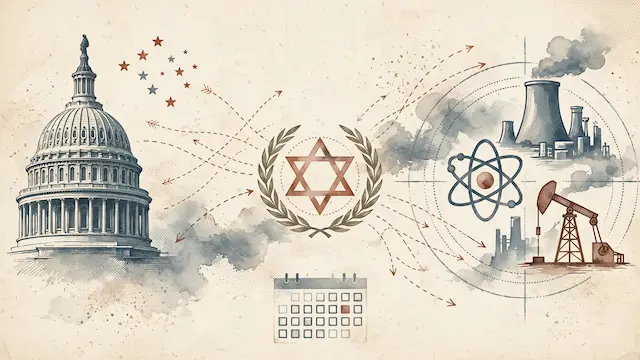
The United States and Israel are in the final stages of preparing for a significant military operation against Iran, potentially launching after the U.S. midterm elections on November 3. The New York Times reported, citing senior officials and sources familiar with the discussions, that the allies are planning a brief but highly intensive campaign. This potential operation follows increased joint military exercises, including aerial drills over Iraq simulating strike tactics.
U.S. Secretary of Defense Pete Hegseth recently visited the Middle East to discuss the operation with Israeli Prime Minister Benjamin Netanyahu. Targets reportedly include Iran's nuclear facilities, energy infrastructure, missile sites, and drone bases. U.S. military officials believe a three-day bombing campaign could severely damage Iran's economy, compelling concessions in negotiations. A key focus is "Pickaxe Mountain" (Kuh-Kolang), an underground facility south of Natanz believed to be crucial for Iran's nuclear program.
However, consensus in Washington is not unanimous, with some officials concerned about the economic impact of targeting oil refineries, potentially causing global price surges. The Pentagon plans to deploy a substantial force to the region by early November, including three aircraft carriers, thousands of Marines, advanced fighter jets, and special forces. The longer nights are also seen as advantageous for covert operations.
President Donald Trump has not yet made a final decision and has previously canceled strikes, even at the last minute. He had pledged not to launch new attacks before the November 3 elections, citing ongoing negotiations with Tehran. A White House spokesperson stated that the administration does not discuss potential military plans but affirmed the president's commitment to preventing Iran from acquiring nuclear weapons.
The timing is complicated by Israeli parliamentary elections on October 27, which could affect Netanyahu's ability to launch a military campaign. U.S. strategists are also assessing the impact on the American economy and domestic agenda before the congressional vote. A major risk remains Iran's potential response, which officials believe could be significantly expanded beyond attacks on shipping and infrastructure to include underwater internet cables and data centers. Iranian officials have warned that any escalation would be neither limited nor short-lived.
Amidst these tensions, diplomatic efforts continue, with the U.S. seeking freedom of navigation in the Strait of Hormuz and concessions on Iran's nuclear program, while Tehran insists on removing the nuclear issue from the agenda.
Mentioned
The same event, reported separately by each outlet. Open a few to compare what different newsrooms emphasize — and what they leave out.
Left 2Centre 7Right 5Haredi 2Arab 3Other 3


























Not the same event — other stories that share this one’s people, places, or theme: background, reactions, and follow-ups.
