
Finance Minister Accused of Electioneering Over Fuel Prices
Translated & summarized from Bizportal by baba
Israeli Finance Minister Bezalel Smotrich is facing accusations of "election economics" for intervening to reduce fuel prices just months before elections. Critics argue this move, which sacrifices significant state revenue, is a political tactic rather than a genuine economic policy, and is unlikely to sway voters.
The story in 5 lines · by baba
- Finance Minister Smotrich accused of electioneering over fuel prices.
- Fuel prices to be reduced by lowering excise tax before elections.
- Critics question timing and political motivations behind the policy.
- Move expected to cost the state hundreds of millions in revenue.
- Article argues election focus is on security, not economy.
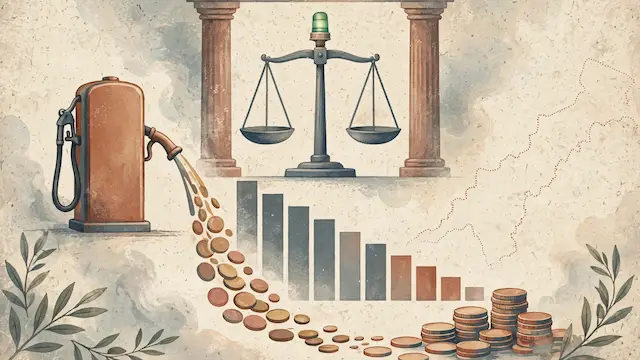
The Israeli government is implementing a policy to reduce fuel prices less than two months before elections, a move widely criticized as "election economics." This strategy, defined as government economic policies designed to sway voters before an election, typically involves increased public spending, tax reductions, and concessions to public sector wage demands. However, the article argues that a key element is a significant shift from previous policies, exemplified by Finance Minister Bezalel Smotrich's intervention in fuel costs.
Fuel prices are set to rise by 16 agorot per liter to 8.25 shekels, despite the upcoming elections. This increase is attributed to global market developments and the government's taxation policies, specifically the excise tax (blue). The excise tax constitutes over 50% of the retail price. While the net fuel price is influenced by international markets, the government controls the taxation component. Smotrich, as a senior member of the government that initiated military actions, has been indirectly linked to previous price hikes.
Critics question why Smotrich, now serving as Finance Minister, is intervening only now, less than two months before elections and when his political standing appears weak, especially given his past support for military actions that have incurred significant economic costs. The article posits that this intervention in the excise tax, a component under government control, is a clear example of election economics, aimed at alleviating consumer costs.
The Attorney General, Gali Baharav-Miara, approved the fuel price reduction despite legal challenges, citing positive economic impacts like curbing inflation and potentially lowering interest rates. However, the move represents a loss of hundreds of millions of shekels in state revenue, at a time when the deficit is growing and war-related expenses are mounting. This revenue loss will necessitate government borrowing, incurring interest costs.
The article concludes that this maneuver is unlikely to significantly impact Smotrich's electoral prospects. The upcoming election is framed as being primarily about the events of October 7th, military conscription, the justice system, and fundamental national values, rather than the cost of living or the economy. It suggests that voters' decisions will likely be based on broader issues, and the temporary fuel price reduction will ultimately be paid for by the public.
The same event, reported separately by each outlet. Open a few to compare what different newsrooms emphasize — and what they leave out.
Left 1Centre 5Right 3Haredi 2Arab 5Other 6























Not the same event — other stories that share this one’s people, places, or theme: background, reactions, and follow-ups.