Israel Approves Fuel Tax Cut Amid Election Sensitivity
Translated & summarized from Bizportal by baba
Israel's Attorney General approved a fuel tax cut, lowering gasoline prices by about 50 agorot to 7.75 shekels per liter, despite election period sensitivities. The move aims to curb inflation and follows recent sharp price hikes.
The story in 5 lines · by baba
- Fuel tax cut approved amid election period concerns.
- Gasoline prices to drop by 50 agorot to 7.75 shekels.
- Reduction aims to support inflation control efforts.
- Price cut follows significant recent fuel cost increases.
- Budgetary cost involves loss of state tax revenue.
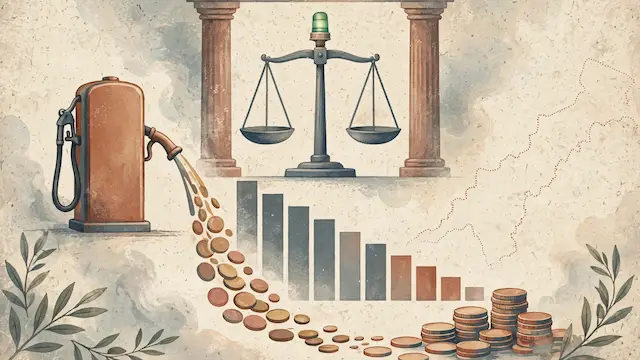
Israel's Attorney General Gali Baharav-Miara has approved a fuel tax reduction proposed by Finance Minister Bezalel Smotrich, despite the sensitive timing during an election period. The move will see the maximum price of a liter of 95-octane gasoline at self-service stations decrease by approximately 50 agorot, from 8.25 shekels to about 7.75 shekels, following the finance minister's signature on the order. This price cut comes after a sharp increase in fuel costs over recent months, with prices rising by 77 agorot per liter in just two months, exceeding 10%. The price of 8.25 shekels per liter was a nominal record, matching a high seen in September 2012.
The decision was made after legal deliberation concerning the timing, as government actions with potential electoral implications are restricted during election periods. The reduction, less than two months before voting, required careful legal review. The approval allows the Ministry of Finance to finalize the order and implement the price decrease.
This reduction is expected to support efforts to curb inflation. A drop from 8.25 to 7.75 shekels represents a decrease of about 6.1% in gasoline prices, which could impact the consumer price index, particularly within the transportation sector. The direct effect on the index is estimated to be around a tenth of a percentage point or more. Cheaper fuel may also moderate operating costs for businesses with vehicle fleets and distribution companies.
The price cut occurs as inflation is already within the Bank of Israel's target range. The annual inflation rate is 1.5%, and the central bank recently lowered its interest rate. While the fuel price reduction does not guarantee further interest rate cuts, it alleviates one source of inflationary pressure. The Bank of Israel's next interest rate decision is scheduled for October 21st, and the monetary committee will consider inflation data, the shekel's exchange rate, economic activity, and energy price developments.
However, the tax reduction comes at a budgetary cost, representing a loss of tax revenue for the state. The longer the measure remains in effect beyond its initial period, the greater the impact on state revenues. For drivers, the immediate effect will be a noticeable price drop after the recent steep increases.
The same event, reported separately by each outlet. Open a few to compare what different newsrooms emphasize — and what they leave out.
Left 1Centre 5Right 3Haredi 2Arab 5Other 6