Israel's Finance Minister Pushes Fuel Tax Cut Amid Legal Concerns

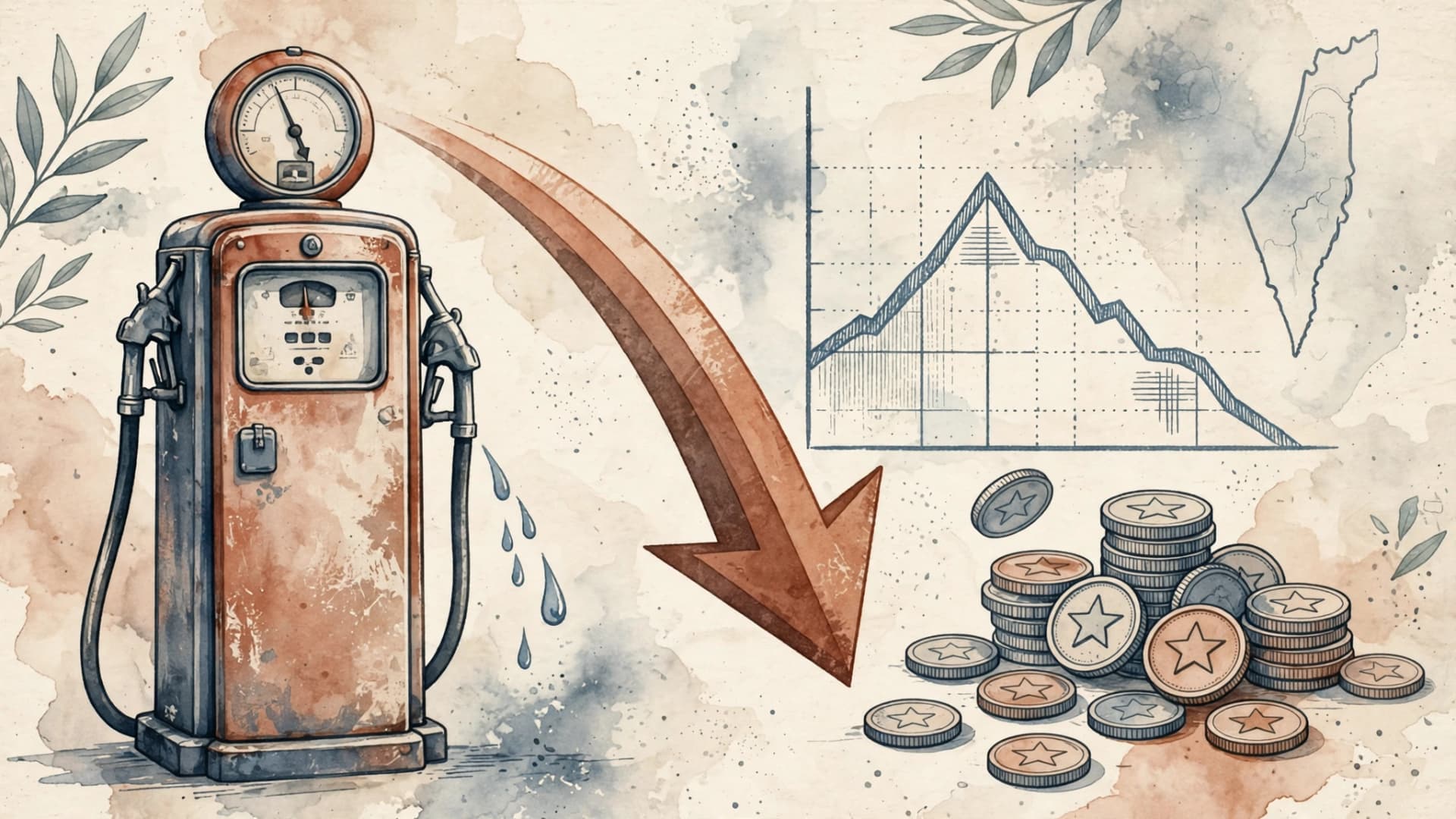
Israeli Finance Minister Bezalel Smotrich has ordered the advancement of an order to reduce excise tax on fuel, aiming to soften an anticipated price increase for consumers. The proposal under consideration involves a reduction of approximately half a shekel per liter, which is estimated to cost the state budget around 300 million shekels per month.
Smotrich's office confirmed the details, stating the reduction is intended to counteract expected price hikes driven by the global energy crisis and tensions with Iran. Professional discussions are underway within the Finance Ministry to finalize the exact reduction amount and mechanism, with the minister aiming to sign the order soon for implementation in the coming days.
However, professional sources within the Finance Ministry are reportedly opposing the move, estimating that every 10 agorot (about $0.03) reduction per liter results in a loss of approximately 30 million shekels in monthly revenue. Legal feasibility is also being examined with the Attorney General, particularly concerning the approval of such a measure during an election period.
The initiative comes as the Ministry of Energy and Infrastructure announced an increase of 16 agorot in the maximum price of a liter of 95-octane gasoline, bringing it to 8.25 shekels. This price matches a historical high set in September 2012, with 5 agorot of the increase attributed to a periodic update of the excise component by the Tax Authority.
Commentators suggest Smotrich is in a "win-win" situation. If the Attorney General approves the cut, consumers will benefit from lower fuel prices. If she refuses, Smotrich can blame her, perceived as being aligned with the left, for the significant rise in fuel costs.
The same event, reported separately by each outlet. Open a few to compare what different newsrooms emphasize — and what they leave out.




Not the same event — other stories that share this one’s people, places, or theme: background, reactions, and follow-ups.


