
Israel Considers Fuel Tax Cut to Lower Gas Prices
Translated & summarized from Cursorinfo by baba
Israel's Finance Minister Bezalel Smotrich is proposing a 0.5 shekel per liter cut to the fuel excise tax to lower gasoline prices. Despite concerns about the timing before elections, legal advisors have found no grounds to block the initiative, which aims to address the high cost of living.
The story in 5 lines · by baba
- Israel may cut fuel excise tax by 0.5 shekels per liter.
- The move aims to lower gasoline prices for drivers.
- Finance Minister Bezalel Smotrich proposed the tax cut.
- Legal advisors found no obstacles despite election proximity.
- The proposal follows a recent record high in fuel prices.
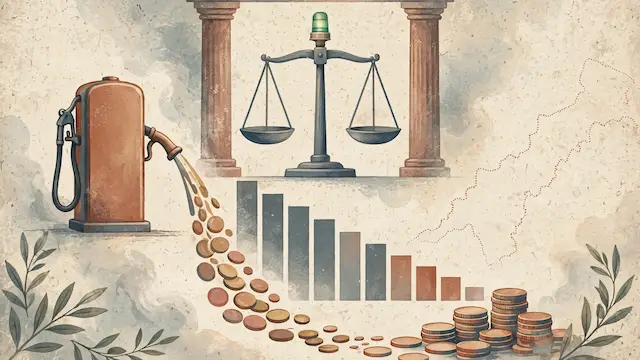
Israeli authorities are considering a significant reduction in gasoline prices by cutting the fuel excise tax. This initiative, proposed by Finance Minister Bezalel Smotrich, aims to lower costs for drivers following a recent price surge. Despite the upcoming elections, legal advisors have found no obstacles to implementing the proposal.
Dudi Koppel, the legal advisor to the Ministry of Finance, recommended that the government's legal advisor, Gali Baharav-Miara, approve the excise tax reduction. The plan involves a decrease of 0.5 shekels per liter, which would directly impact the price at the pump. Smotrich had initially tasked officials with preparing this measure before the September fuel price revision to prevent further increases, but it was not finalized in time.
The timing of the proposal, less than 90 days before elections, raises concerns about it being perceived as a pre-election tactic, especially given its direct impact on public expenses. The legal opinion acknowledges that Smotrich's proposal deviates from the professional leadership's stance within the Ministry of Finance and may be linked to the election period. However, legal experts found no grounds to block the initiative, citing the need to combat the high cost of living and noting that Israel has previously reduced fuel taxes, with similar measures adopted internationally.
The urgency of the matter increased after gasoline prices reached a record high on September 1st, with the price per liter of 95-octane gasoline at self-service stations rising by 16 agorot to 8.25 shekels, matching the September 2012 peak. The increase was primarily driven by a roughly 6% rise in global oil prices, partially offset by a stronger shekel. The excise tax indexation and increased profit margins for gas stations also contributed to the price hike. The proposed excise tax cut is now seen as the government's main tool to alleviate the financial burden on Israeli motorists.
The same event, reported separately by each outlet. Open a few to compare what different newsrooms emphasize — and what they leave out.
Left 1Centre 5Right 3Haredi 2Arab 5Other 6






















