Israel Approves Fuel Tax Cut to Offset Price Surge Ahead of Elections
Translated & summarized from Walla by baba
Israel's Attorney General approved a temporary reduction in fuel excise tax, lowering gasoline prices by 50 agorot per liter. The measure, intended to offset a recent price surge and curb inflation, will be in effect for two months, including the period leading up to the October 27 elections.
The story in 5 lines · by baba
- Fuel excise tax cut approved to lower gasoline prices by 50 agorot.
- Reduction aims to offset recent price surge and curb inflation.
- Measure is temporary, lasting two months until October 31.
- Legal approval received despite proximity to upcoming elections.
- Previous tax cut precedent cited from 2012.
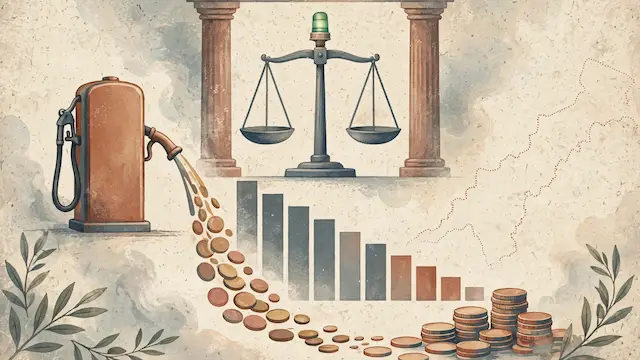
Israel's Attorney General Gali Baharav-Miara has approved a temporary reduction in excise tax on fuel, allowing Finance Minister Bezalel Smotrich to subsidize a recent price increase. This measure is expected to lower the price of a liter of gasoline by 50 agorot (about $0.14), from the current 8.25 shekels to 7.75 shekels. The price reduction will take effect immediately upon the minister's signature on the order.
The Ministry of Finance's legal advisor had previously issued an opinion stating that the tax reduction is permissible despite its proximity to the upcoming elections on October 27. This opinion cited a precedent from when Avigdor Lieberman served as Finance Minister, during which excise tax on fuel was also reduced shortly before an election.
The measure, promoted by the Finance Ministry, is intended to be temporary, lasting for two months until October 31, a period extending slightly beyond the election date. Smotrich directed the tax cut to absorb the sharp rise in fuel prices that occurred at the beginning of September, aiming to return the price to 7.75 shekels per liter.
The price of 95-octane gasoline at self-service stations had jumped to 8.25 shekels on September 1, matching a record high from September 2012. This increase was attributed to a combination of rising global gasoline prices, refinery margins, the dollar-to-shekel exchange rate, the linking of excise tax to the consumer price index, and adjustments to distribution and service fees.
While the timing of the reduction, close to elections, could be perceived as a political move to benefit Smotrich's party, which is currently polling below the electoral threshold in some surveys, the Finance Ministry argues it is also a necessary step to curb broader inflation. The sharp rise in fuel costs impacts transportation and distribution, potentially leading to increased prices for food, deliveries, and other services. By reducing the fuel tax, the ministry aims to prevent a further wave of cost-of-living increases over the next two months.
The same event, reported separately by each outlet. Open a few to compare what different newsrooms emphasize — and what they leave out.
Left 1Centre 5Right 3Haredi 2Arab 5Other 6