
Israel Considers Fuel Tax Cut Amid Election Season
Translated & summarized from Ynet by baba
Israel's Ministry of Finance legal advisor proposed a temporary 50 agorot per liter cut to the fuel excise tax, aiming to lower prices by October 2026. The move faces internal opposition due to fiscal concerns and potential political implications during an election period.
The story in 5 lines · by baba
- Finance Ministry proposes temporary fuel tax cut amid elections.
- Proposed reduction aims to lower gasoline prices by 50 agorot/liter.
- Measure faces opposition from ministry professionals citing fiscal risks.
- Fuel prices have reached record highs due to war and market factors.
- The cost of the proposed cut is estimated at 310 million shekels.
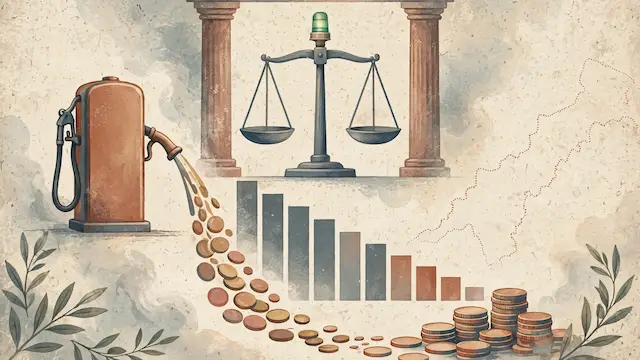
The legal advisor for Israel's Ministry of Finance, Dudi Koppel, has requested approval for a temporary reduction in fuel excise tax, despite opposition from ministry professionals. The proposed cut, intended to last until October 31, 2026, would lower gasoline prices by 50 agorot per liter, with a similar adjustment for imported gasoline. This initiative comes in response to significant fuel price hikes over the past eight months, attributed to the war and rising natural gas prices in Europe. Gasoline prices have climbed from 6.85 shekels per liter in January to a record high of 8.25 shekels in September 2026. The reduction would only apply to regulated gasoline, not diesel or LPG. The estimated cost to the state is approximately 155 million shekels per month, totaling around 310 million shekels, to be funded by a surplus from personal import tax exemptions. Key departments within the Finance Ministry, including the Chief Economist's office, the Tax Authority, and the Budget Division, oppose the measure, arguing it would increase the deficit during a fiscally challenging period due to the war and could lead to demands for further reductions. The request is being made during an election period, which began July 18, 2026, following the Knesset's approval of a party funding law and subsequent recess. The Attorney General's office has previously stated that the current government, acting as a caretaker government, must exercise restraint in non-urgent matters. Koppel argues the situation is urgent due to high prices and that the proposed cut is limited in scope and duration compared to a similar reduction in 2022. He acknowledges the potential for the move to be perceived as politically motivated but believes the legal obstacles do not prevent its advancement.
Mentioned
The same event, reported separately by each outlet. Open a few to compare what different newsrooms emphasize — and what they leave out.
Left 1Centre 5Right 3Haredi 2Arab 5Other 6






















