
Israel Collects Over $13 Billion Annually From Vehicle Taxes and Fuel
Translated & summarized from Bizportal by baba
Israel collects over 53 billion shekels annually from taxes on vehicles and fuel, including excise taxes, purchase taxes, licensing fees, and customs duties. The increasing adoption of electric vehicles is creating a revenue gap, prompting the government to raise taxes on them and plan new fees.
The story in 5 lines · by baba
- Israel collects over $13 billion annually from vehicle and fuel taxes.
- Fuel excise tax is the largest revenue source, projected at $7 billion for 2026.
- Purchase tax on vehicles is substantial, with an average of over $12,000 per car in 2023.
- Electric vehicles pose a challenge to fuel tax revenue.
- New taxes on electric vehicles and planned road usage fees aim to offset revenue loss.
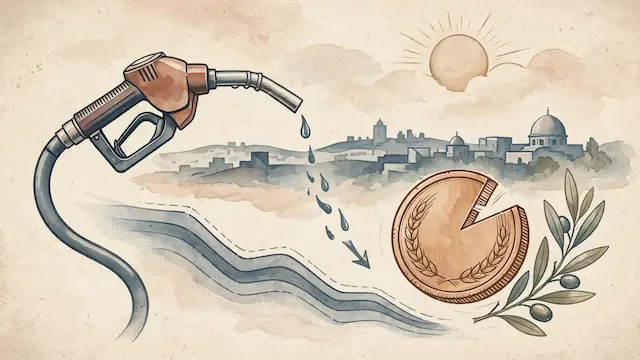
Israel generates approximately 53 billion shekels (about $13.5 billion) annually from taxes and fees related to private vehicles and fuel, representing over six percent of the state's total projected revenue for 2026. This revenue stream is comprised of four main components: fuel excise tax, vehicle licensing fees, purchase tax, and customs duties.
The fuel excise tax is a significant contributor, with projections for 2026 set at 27.69 billion shekels. This tax, along with VAT, constitutes nearly 60% of the price at the pump. The excise tax is adjusted periodically based on inflation and fuel prices, making it a self-growing revenue source.
Purchase tax, projected at 28.13 billion shekels for 2026, is levied once when a vehicle is released from customs. The standard rate for passenger cars under 3.5 tons and valued up to 300,000 shekels is 83%, though this is reduced by green tax credits and safety equipment incentives. In 2023, the average purchase tax per passenger car was 46,072 shekels.
Vehicle licensing fees are expected to bring in 8.05 billion shekels in 2026, averaging nearly 2,200 shekels per private vehicle, based on an estimated fleet of 3.67 million private cars. Customs duties on imported vehicles are projected at 1.86 billion shekels for 2026.
The growing number of electric vehicles presents a challenge to this revenue stream, as they do not contribute to fuel excise taxes. To compensate, Israel is gradually increasing the purchase tax on electric vehicles and plans to implement a per-kilometer road usage fee starting in 2026, though its implementation has been delayed. A congestion charge for the Gush Dan area is also planned but has faced repeated postponements.
The same event, reported separately by each outlet. Open a few to compare what different newsrooms emphasize — and what they leave out.
Left 2Centre 4Right 5Haredi 3Arab 5Other 9






























Not the same event — other stories that share this one’s people, places, or theme: background, reactions, and follow-ups.
