Israel Cuts Fuel Prices by Half Shekel Per Liter Ahead of Elections
Translated & summarized from Walla by baba
Israeli Finance Minister Bezalel Smotrich has ordered a 0.50 shekel per liter reduction in gasoline prices, effective immediately and lasting until October 31st. The state will absorb the cost by temporarily lowering its excise tax on fuel, a move made ahead of the upcoming general elections.
The story in 5 lines · by baba
- Fuel prices in Israel to decrease by 0.50 shekels per liter.
- Reduction is effective immediately and lasts until October 31st.
- The state will forgo excise tax revenue to fund the cut.
- Decision follows recent record-high gasoline prices.
- Timing raises concerns about election economics.
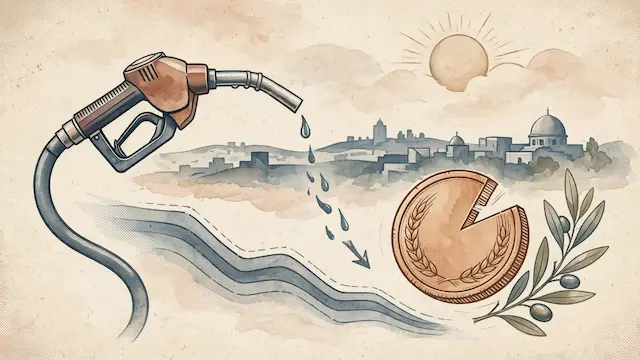
Israeli Finance Minister Bezalel Smotrich signed an order to reduce the price of gasoline by 0.50 shekels per liter, effective midnight Sunday. The price of a liter of 95-octane self-service gasoline, which had risen to 8.25 shekels at the start of September, will now cost 7.75 shekels. This reduction is being funded by the state, which will forgo a portion of the fuel excise tax it collects from drivers.
The decision comes less than a week after gasoline prices hit a record high on September 1st, matching a peak from September 2012. The recent surge was attributed to a combination of rising global oil prices, refinery margins, the dollar-to-shekel exchange rate, excise tax adjustments linked to the consumer price index, and updated marketing and full-service fees.
Following the price hike, Smotrich instructed his ministry to find a way to lower the cost for drivers. The chosen method is a temporary reduction in the excise tax, a significant component of gasoline prices in Israel. Instead of drivers bearing the full increase, the state will temporarily reduce its tax revenue.
The timing of the measure, less than two months before the October 27th elections, has raised concerns about "election economics." However, the Finance Ministry's legal advisor determined the reduction is permissible, citing a precedent from when Avigdor Lieberman was Finance Minister and excise taxes were lowered near an election. The Attorney General also approved the move.
The order will remain in effect until October 31st, four days after the elections. This means drivers will benefit from the discount throughout the election campaign, allowing Smotrich to present an immediate and noticeable reduction in a significant household expense. The Ministry of Finance stated that the goal extends beyond easing the burden on drivers, as higher fuel costs increase transportation and distribution expenses, potentially leading to price hikes for food and services. The price cut aims to mitigate some of this inflationary pressure.
The same event, reported separately by each outlet. Open a few to compare what different newsrooms emphasize — and what they leave out.
Left 2Centre 4Right 5Haredi 3Arab 5Other 9