Israel Faces Water Shortages as Algae Bloom Shuts Down Desalination Plants
Translated & summarized from Vesty by baba
Most of Israel's major desalination plants have been shut down due to severe water turbidity caused by algae, leading to water supply disruptions in cities like Beer Sheva and impacting agriculture. The Energy Minister has assured that household supply will be maintained by increasing pumping from other sources and activating additional plants.
The story in 5 lines · by baba
- Algae bloom caused unprecedented shutdown of 5 of 6 Israeli desalination plants.
- Beer Sheva experienced water supply disruptions due to the crisis.
- Energy Minister Cohen assured household water supply would be maintained.
- Farmers and agriculture are most affected by the water shortage.
- Israel is increasing pumping from wells and the Sea of Galilee.
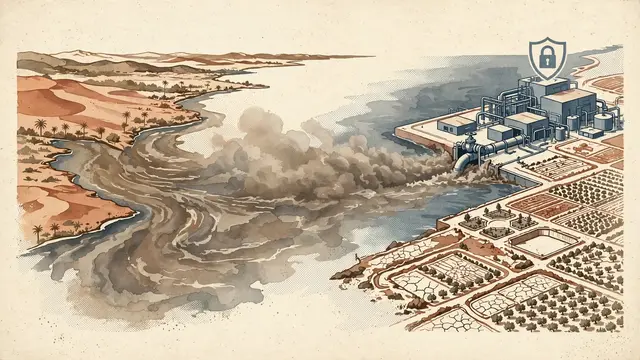
Water supply disruptions affected Beer Sheva on Tuesday, September 1, with some areas experiencing interruptions or reduced water pressure. Municipal officials confirmed the issues and stated that technicians were working to resolve the problems. The cause of the widespread water crisis across Israel is an unprecedented shutdown of most of the country's desalination plants due to severe water turbidity, believed to be caused by algae from the Nile Delta.
Energy Minister Eli Cohen, who oversees water management, assured that household water supply would not be significantly impacted, despite the emergency. Most of the six major coastal desalination plants were halted for at least two days. The Hadera plant, the largest in Israel, is the only one currently operating normally. The turbidity, described by Cohen as a phenomenon not seen in 20 years, forced the shutdown of plants in Ashkelon, Palmahim, Sorek-1, Sorek-2, and Ashdod starting August 29, with five plants stopping by August 30.
Local authorities have been instructed to reduce irrigation of green spaces and other non-essential water uses. The Ministry of Agriculture is mapping areas facing water shortages, prioritizing farms where crops and livestock are at risk. The Ramat Negev region, particularly the Nitzana Valley, is experiencing a severe lack of water, halting irrigation for vegetable fields, greenhouses, and young saplings. Livestock farms are also affected, with water tankers dispatched to a dairy farm in Kibbutz Gezer and another farm in Moshav Mazliach.
Minister Cohen stated that Israel is currently pumping more water from wells and the Sea of Galilee, and has authorized the activation of two additional desalination facilities, Sorek-2 and Palmahim, to bolster supply. He acknowledged that farmers are suffering the most and that water supply to agriculture and public landscaping has been reduced, but plans are underway to bring more desalination plants online to support agriculture. David Mulgai, CEO of the Hadera plant operator, described the event as unprecedented, noting that the plants are now operating at maximum capacity around the clock to compensate for the outages. He reassured the public that despite potential minor inconveniences, residents can remain calm as the country is drawing from the Sea of Galilee and that there is no cause for concern.
Mentioned
The same event, reported separately by each outlet. Open a few to compare what different newsrooms emphasize — and what they leave out.
Left 1Centre 5Right 2Haredi 2Other 5