Algae Bloom Shuts Down Most Israeli Desalination Plants, Threatening Water Supply
Translated & summarized from Calcalist by baba
An unprecedented algae bloom has shut down five of Israel's six major desalination plants, disrupting agricultural irrigation and highlighting the nation's vulnerability to its heavy reliance on desalinated water. While household supply remains stable, farmers face significant crop losses, and experts warn of increasing risks due to climate change.
The story in 5 lines · by baba
- Algae bloom shuts down five of Israel's six desalination plants.
- Farmers face crop losses due to halted irrigation.
- Nation's heavy reliance on desalination exposed as a vulnerability.
- Three plants resume partial operations amid ongoing risks.
- Climate change may increase frequency of such events.
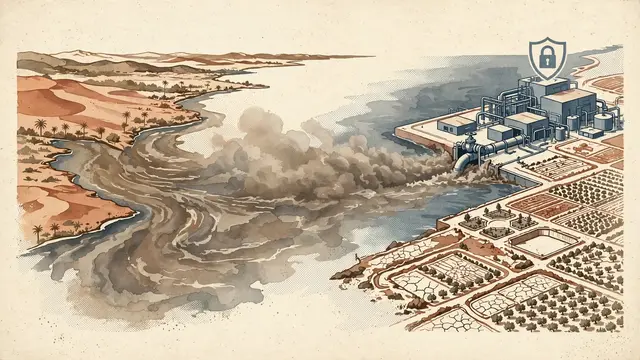
An unusual and massive algae bloom in the Mediterranean Sea has forced five out of six major desalination plants along Israel's coast to shut down, disrupting water supplies and raising concerns about the nation's heavy reliance on desalination. The bloom, originating from the Nile Delta and exacerbated by weather patterns, consists of microscopic algae so small they bypass initial filters, posing a risk of severe damage to the plants' membranes. While tap water for households remains unaffected, farmers, particularly in southern Israel, have been ordered to halt irrigation, leading to potentially heavy crop losses.
Three plants, Sorek 1, Sorek 2, and Palmahim, have since resumed partial operations after receiving approval to run despite the risks, with the state agreeing to compensate the companies for potential membrane damage. However, the Ashdod and Ashkelon plants remain offline. This incident highlights a critical vulnerability in Israel's water system, where approximately 80% of drinking water comes from desalination, especially as natural sources like the Sea of Galilee and coastal aquifers are depleted due to drought and over-extraction.
Experts warn that climate change could increase the frequency and intensity of such events. Alon Zask, director of the Israel Oceanographic and Limnological Research Institute, described the bloom as unprecedented and expressed uncertainty about its duration. The situation has prompted discussions about implementing pre-treatment technologies, such as those used in the Sea of Galilee, to skim algae from the water before it enters the plants.
The agricultural sector is particularly hard-hit, with the Farmers' Association demanding government compensation for irreversible crop damage. Environmental organizations and experts are calling for greater resilience in the water sector, urging a reduction in reliance on desalination, rehabilitation of natural water sources, and the development of strategies to cope with disruptions, including potential cyberattacks or physical damage to facilities.
Water authorities maintain that the system is designed for extreme scenarios and that water supply to homes and industry is secure, with alternative sources being utilized. They are working to bring the affected plants back to full capacity safely, emphasizing that desalination remains crucial for Israel's year-round water needs.
Mentioned
The same event, reported separately by each outlet. Open a few to compare what different newsrooms emphasize — and what they leave out.
Left 1Centre 5Right 2Haredi 2Other 5