Israel Faces Severe Water Crisis as Algae Bloom Shuts Down Desalination Plants
Translated & summarized from Kikar HaShabbat by baba
Five of Israel's six major desalination plants have been shut down due to a micro-algae bloom from Egypt, causing a severe water crisis. While domestic supply is maintained, farmers face crop loss, and some areas may experience water pressure issues.
The story in 5 lines · by baba
- Algae bloom from Egypt shut down five of Israel's six major desalination plants.
- Domestic water supply remains stable, but agricultural supply in the south is cut.
- Farmers warn of crop destruction within 24 hours without water.
- Some areas may face water pressure drops or outages.
- The crisis is expected to last one to two days as filters are cleaned.
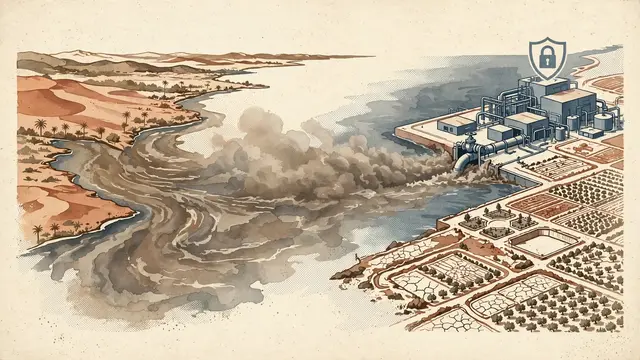
Israel is grappling with an unprecedented water crisis after a severe micro-algae bloom in the Mediterranean Sea forced the shutdown of five out of six major desalination plants. The bloom, believed to have originated from Egypt's Nile Delta, has caused significant turbidity in the seawater, rendering the plants in Ashkelon, Ashdod, Sorek A, Sorek B, and Palmahim inoperable. The Palmahim plant was later brought back to partial operation to alleviate pressure.
The only large-scale desalination facilities still functioning at full capacity are in Hadera and Eilat. Moshe Basan, CEO of the Hadera plant's operating company, described the situation as a "highly unusual event" and estimated that filter cleaning would take one to two days. He confirmed his facility is operating 24/7 at the state's request.
While the Water Authority assures the public that domestic water supply will continue uninterrupted, drawing from the Sea of Galilee to compensate for the shortfall, farmers in southern Israel are facing an agricultural disaster. Water supply to agriculture in the south has been halted, with farmers warning that crops could perish within 24 hours, jeopardizing their livelihoods and the supply of produce for the upcoming holidays.
Local authorities have been instructed to significantly reduce public garden irrigation, and minor disruptions or drops in water pressure may occur in specific areas. Some communities, including parts of Jerusalem and Kiryat Ye'arim, have been warned of potential water outages.
The Water Authority has directed a reduction in the supply of potable water to agriculture in the south to preserve reserves and prioritize essential needs. Mekorot, the national water company, has increased its use of available production methods. Farmers are urgently seeking a rapid emergency solution to prevent the collapse of their farms and ensure the local vegetable supply.
Mentioned
The same event, reported separately by each outlet. Open a few to compare what different newsrooms emphasize — and what they leave out.
Left 1Centre 5Right 2Haredi 2Other 5