
British Jewish Man Found Dead Near Uman, Ukraine
Translated & summarized from Cursorinfo by baba
The body of a British Jewish man showing signs of violence was found near Uman, Ukraine, a major pilgrimage site. Separately, a survey revealed that only 8% of Israelis have visited Uman, with detailed demographics and travel patterns of these visitors.
The story in 6 lines · by baba
- British Jewish man found dead with signs of violence near Uman.
- Ukrainian authorities are investigating the death as a potential murder.
- Uman is a key pilgrimage site for Hasidic Jews, especially for Rabbi Nachman's grave.
- A survey shows only 8% of Israelis have visited Uman.
- Most Israeli visitors travel to Uman outside of Rosh Hashanah.
- Demographic data reveals Haredim and Mizrahi Jews visit Uman most frequently.
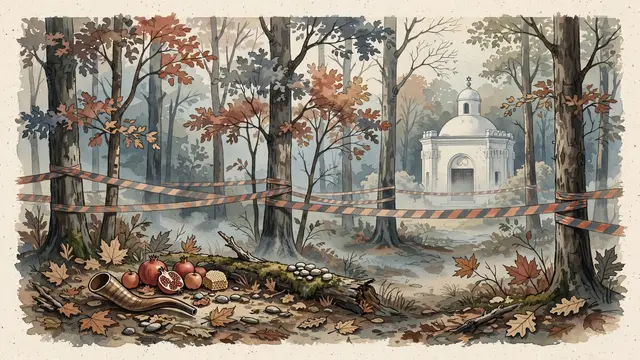
The body of a 45-year-old British Jewish man, a father of seven, was discovered in a forest near Uman, Ukraine, showing signs of violence. Ukrainian law enforcement is investigating the circumstances of his death to determine if it was a murder. The discovery was made by a group of men who were in the forest for prayer and meditation. Uman is a significant pilgrimage site for Hasidic Jews, particularly for the grave of Rabbi Nachman, attracting thousands of pilgrims annually, especially during Rosh Hashanah. Official details regarding the investigation and the exact cause of death have not yet been released.
Separately, a recent survey indicated that only 8% of Israelis aged 18 and over have visited Uman. Of those who have visited, 28.5% went only once, 49% visit every few years, and 22.5% visit annually or more frequently. The survey also revealed that most visits are not limited to Rosh Hashanah, with 59% of Israeli visitors traveling to Uman at other times of the year. Only 26% of respondents visited exclusively for Rosh Hashanah, while 15% visited both during the holiday and at other times.
The survey further detailed visitor demographics. Israelis of traditional or religiously traditional backgrounds constitute the largest group of visitors (42%), followed by Haredim (26%), secular Israelis (21%), and religious Zionists (11%). However, when analyzing the proportion of visitors within each social group, Haredim lead with 19% having visited Uman, followed by traditional Israelis (16%), religious Zionists and non-religious traditionalists (7% each), and secular Israelis (4%). Mizrahi Jews are more frequent visitors (13%) than Ashkenazi Jews (5%), attributed to stronger adherence to Jewish traditions and historical ties to Rabbi Nachman's legacy.
Regarding travel patterns, men visit Uman slightly more often than women (9% vs. 7%). However, men are more likely to visit during Rosh Hashanah (55% of male visitors), while women are more likely to visit at other times (77% of female visitors). Younger Israelis (18-44) are more likely to have visited Uman (10%) than older Israelis (6%). Individuals with lower incomes also show a higher propensity to visit (12% of those with below-average income) compared to those with average (9%) or above-average incomes (6%).
The same event, reported separately by each outlet. Open a few to compare what different newsrooms emphasize — and what they leave out.
Centre 5Right 4Haredi 3Other 5
















