Iran Warns US of Major Retaliation if Israel Attacks Lebanon's Ali Al-Taher Hill

Iran has warned the United States that it will respond forcefully to any Israeli attack on Ali Al-Taher hill in southern Lebanon, according to three officials familiar with the matter. The message, conveyed to Washington via Oman last month, underscores Iran's direct involvement in the ground conflict in southern Lebanon and its readiness to retaliate against Israeli strikes in the area. This comes seven months after the start of the conflict, which escalated in Lebanon on March 2nd when Hezbollah joined Iran.
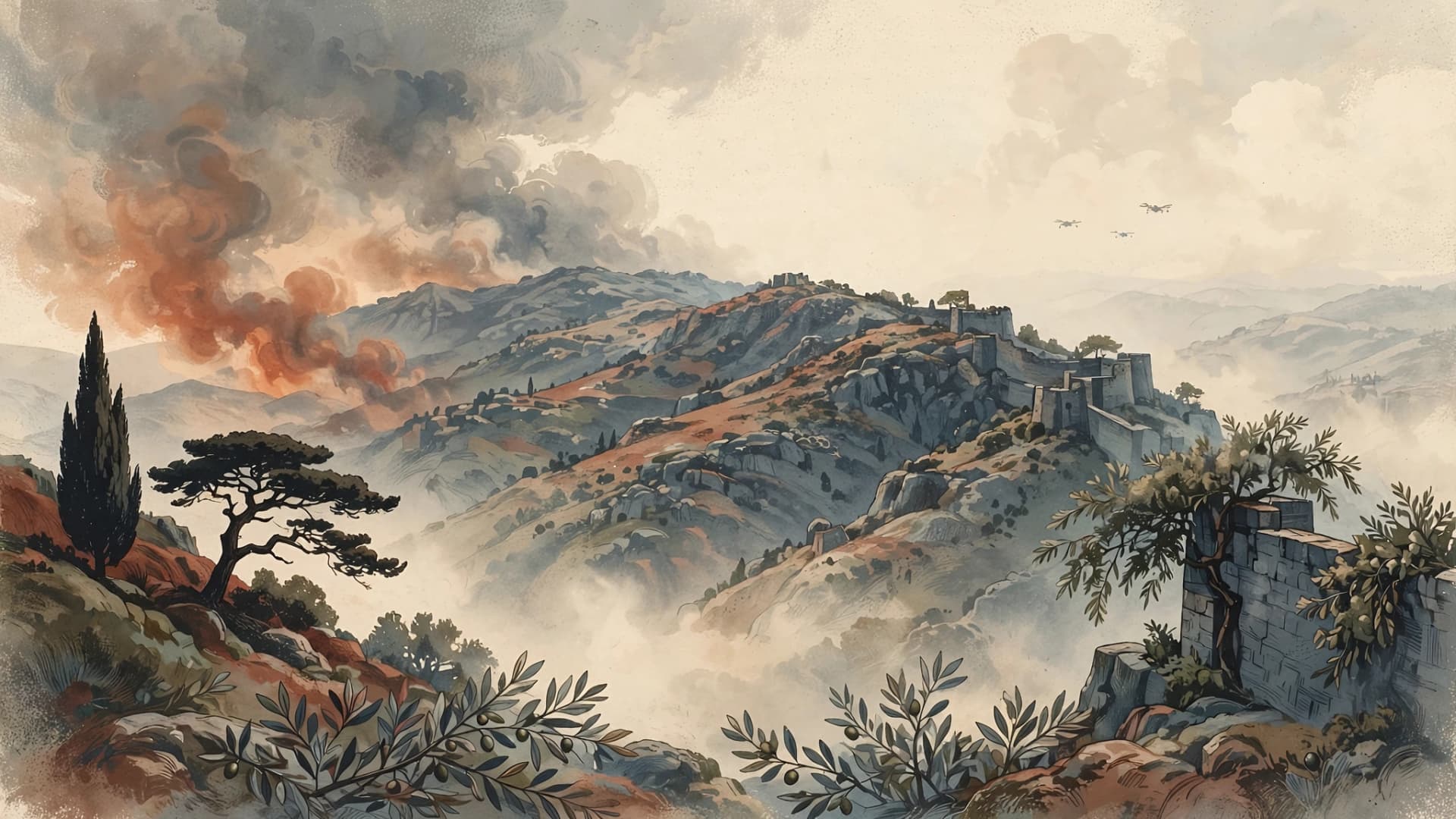
Lebanese security sources believe Hezbollah has established an underground command center and weapons depots within Ali Al-Taher hill, a strategic location overlooking southeastern Lebanon that has become a focal point of the fighting. Hezbollah has claimed control of the hill and vowed to confront any Israeli advance, though party officials have offered limited details about facilities there. The Israeli military has occupied significant territory south of the hill and publicly identified it as a key axis for its ground operations.
According to three regional officials who spoke anonymously to Reuters, Tehran's message to Washington stated that a comprehensive Israeli assault on the hill would trigger a large-scale Iranian offensive. A White House official, however, denied the accuracy of the message or any US pressure on Israel regarding the hill. Two officials indicated the message was delivered in mid-August, and that Israel had postponed an operation on the hill due to American pressure.
Reports suggest that over a dozen Iranian Revolutionary Guard Corps (IRGC) members, including at least two senior officers, were present with Hezbollah forces. Hezbollah's media office neither confirmed nor denied the Iranian message but stated such a warning regarding the hill would be natural. They referenced the "Islamabad agreement," a June memorandum of understanding between the US and Iran that included a ceasefire in Lebanon, suggesting an Israeli move on the hill would be a significant breach.
Despite a June ceasefire, the Israeli military reported Hezbollah activity near the hill, including drone attacks on Israeli forces. In July, the IDF conducted an airstrike near an entrance to an underground site on the hill and vowed to prevent Hezbollah operations there. An Israeli military official stated in June that Hezbollah fighters were trapped underground without supplies, and that the IDF was attempting to force them out by surrounding the location and intercepting drones carrying food and water. Hezbollah's media office noted this Israeli pressure aimed to make the facility uninhabitable, implying that the existence of the Iranian warning and its potential consequences were plausible.
The same event, reported separately by each outlet. Open a few to compare what different newsrooms emphasize — and what they leave out.

























Not the same event — other stories that share this one’s people, places, or theme: background, reactions, and follow-ups.
