
Satellite Images Reveal Increased Activity at Iran's 'Pickaxe Mountain' Nuclear Site
Translated & summarized from NEWSru Israel by baba
Satellite images show a surge in construction at Iran's underground "Pickaxe Mountain" complex near Natanz in 2026. The facility's purpose is unconfirmed, but experts suggest it may be for nuclear material storage or related activities, though it appears not yet ready for uranium enrichment.
The story in 5 lines · by baba
- Satellite images show increased construction at Iran's 'Pickaxe Mountain' complex.
- The site near Natanz may be used for nuclear material storage.
- Activity levels in 2026 are the highest ever recorded at the site.
- The facility does not yet appear ready for uranium enrichment.
- The analysis neither confirms nor denies Israeli intelligence claims.
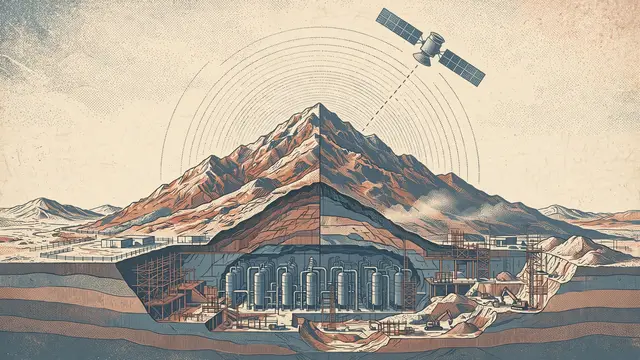
Satellite imagery indicates a significant increase in construction activity at Iran's underground "Pickaxe Mountain" complex near Natanz in 2026. While the exact purpose of the facility remains unconfirmed, Western experts speculate it could be used for storing nuclear materials or other activities related to Iran's nuclear program. An analysis by the Center for Strategic and International Studies (CSIS), covering six years of radar and optical observations including high-resolution images from July and August 2026, revealed "more intense movement and road work at the Pickaxe Mountain site in 2026 than at any other point in its history." The CSIS report detailed new concrete paving, road improvements, reinforced tunnel entrances, and the removal of excavated rock. These changes suggest a shift towards "likely internal construction and continued external infrastructure hardening," according to the assessment. Both the southern and eastern tunnel entrances appeared significantly more fortified in July 2026 compared to September 2025. However, the satellite images do not reveal what lies within the mountain or confirm the presence of centrifuges, uranium, or other nuclear materials. CSIS noted that the analysis neither "refutes nor confirms" Israeli intelligence claims that Iran has moved centrifuges and their components to the site. The ongoing construction, lack of heightened internal security, and absence of non-construction-related vehicles suggest the facility is not yet ready for uranium enrichment, if that is its intended purpose. Notably, no comparable changes were observed at the nearby Natanz nuclear complex, indicating the activity is concentrated at "Pickaxe Mountain."
Mentioned
The same event, reported separately by each outlet. Open a few to compare what different newsrooms emphasize — and what they leave out.
Left 2Centre 4Right 2Haredi 1Arab 1Other 3













