Iran Accelerates Underground Nuclear Site Construction Amid US Threats
Translated & summarized from Walla by baba
Iran has significantly ramped up construction at a secret underground nuclear site near Natanz, potentially as a protected area for its nuclear program. The site, monitored by intelligence agencies, has seen increased activity amid U.S. threats and Israeli concerns about centrifuge transfers.
The story in 5 lines · by baba
- Iran is accelerating construction at a secret underground nuclear site near Natanz.
- Satellite imagery shows a significant increase in activity during 2026.
- The site may serve as a protected area for Iran's nuclear program.
- U.S. President Trump has threatened to attack the facility.
- Israeli intelligence believes Iran may be moving centrifuges to the site.
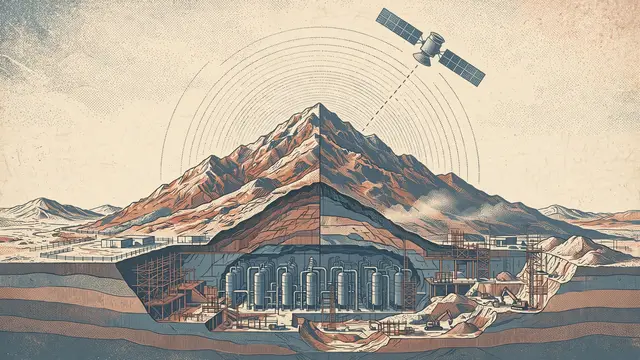
Iran has significantly increased construction activity at a suspected underground nuclear site near Natanz over the past year, likely to create a protected area for its nuclear program, according to a CNN report based on new satellite imagery analysis by the Center for Strategic and International Studies (CSIS) in Washington. The site, known as "Mount Qaf" and excavated beneath a granite mountain about 225 kilometers south of Tehran, has been monitored by intelligence agencies for years, with assessments suggesting it could be used to shield Iran's nuclear program from future airstrikes.
CSIS researchers, who have examined satellite images of the site for six years, observed a "clear jump in construction activity" during 2026, coinciding with the war between Iran and the United States. They estimate the underground facility was likely designed as a "safe haven" for Iran's nuclear program. However, the researchers stressed that satellite imagery alone cannot determine the exact activities or purpose within the tunnels, with past possibilities including a centrifuge assembly plant, a secret uranium enrichment site, or a protected storage facility for enriched uranium and nuclear equipment.
Concerns about the site have intensified following Israeli intelligence assessments that Iran might transfer centrifuges to the tunnels as part of efforts to renew its uranium enrichment capabilities. A Wall Street Journal report in July indicated that Israel had shared information with the U.S. suggesting thousands of centrifuges were moved to the complex after the war in June 2025, though there is no public confirmation of their installation or operation.
U.S. President Donald Trump has repeatedly threatened to attack the facility, stating last week, "We may be attacking Mount Qaf very soon." He previously asserted that the site is under U.S. surveillance and warned that Washington would not allow Tehran to rebuild its nuclear capabilities. The facility, estimated to be excavated 80 to 100 meters deep, may be more protected from bunker-busting bombs than the Fordow enrichment facility. Its construction began in 2020, following an act of sabotage attributed to Israel that damaged a centrifuge assembly facility in Natanz. Iran claimed the new site was intended to replace the damaged one but has since denied access to International Atomic Energy Agency inspectors.
Mentioned
The same event, reported separately by each outlet. Open a few to compare what different newsrooms emphasize — and what they leave out.
Left 2Centre 4Right 2Haredi 1Arab 1Other 3