
IAEA Confirms Construction Activity at Suspected Iranian Nuclear Site
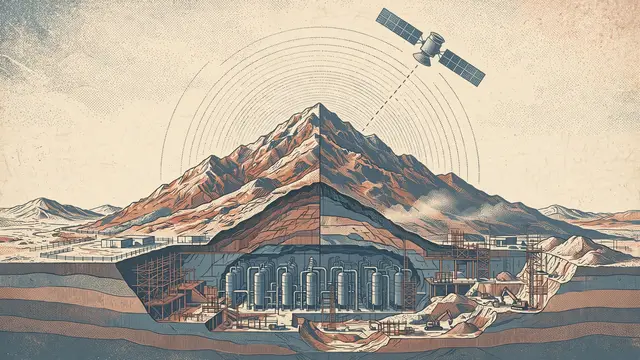
The International Atomic Energy Agency (IAEA) has confirmed observing construction activity at the "Mountain of the Demon" site in Iran, a location suspected of being involved in the country's nuclear program. IAEA Director General Rafael Grossi stated that while inspectors have not yet visited the site, satellite imagery indicates renewed activity. The site is located south of Iran's main uranium enrichment facility.
This development comes as the IAEA's Board of Governors has referred Iran's nuclear file to the UN Security Council due to non-compliance with demands. Inspectors have not verified the status or location of weapons-grade enriched uranium stockpiles since June of the previous year, following attacks on Iranian nuclear facilities by Israel and the United States. The construction at "Mountain of the Demon," situated in the Zagros Mountains approximately 220 kilometers south of Tehran, began after sabotage was discovered at centrifuges about six years ago. Grossi explained that Iran had stated its intention to move operations into tunnels within the mountain to make the site impervious to attacks.
Simultaneously, senior US and Middle Eastern officials cited in the Wall Street Journal reported that Iran has resumed ballistic missile production in underground facilities using existing components. Grossi noted, "There are signs indicating construction around this site, but we do not have concrete information regarding the activities that may actually be taking place there."
Israel and the US are demanding that Iran dismantle its centrifuge program and cease uranium enrichment entirely. US President Donald Trump has publicly addressed the site, warning Iran against "playing games" and threatening severe retaliation. Iran, however, has cautioned Western nations against weaponizing the IAEA and pointed to a past attack that occurred shortly after the agency determined Tehran was not meeting its obligations, attributing it to the "hidden intentions" of its initiators.
In related statements, President Trump also commented on the broader conflict, suggesting it might end after the upcoming elections due to Iran's perceived desperation. He expressed a lack of immediate interest in negotiations, stating that Iran is too weakened for such discussions. However, internal discussions among senior White House advisors, including Vice President J.D. Vance and Secretary of State Marco Rubio, have reportedly raised the possibility that the conflict could extend beyond the next presidential inauguration in January 2029, contradicting Trump's public promises of a swift resolution.
The same event, reported separately by each outlet. Open a few to compare what different newsrooms emphasize — and what they leave out.














Not the same event — other stories that share this one’s people, places, or theme: background, reactions, and follow-ups.