
Israeli Doctor Exodus Continues, Nearly 1,400 Leave in Three Years
Translated & summarized from Haaretz by baba
A new study reveals that nearly 1,400 doctors have left Israel over the past three years, highlighting a significant brain drain in the country's healthcare sector and raising concerns about future medical services.
The story in 4 lines · by baba
- Nearly 1,400 doctors emigrated from Israel in three years.
- The study highlights a significant brain drain in the medical field.
- This trend raises concerns about the future of healthcare services.
- The loss of expertise could impact medical care quality and access.
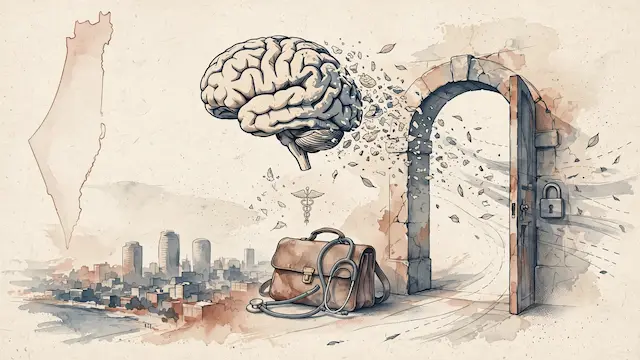
A concerning trend of Israeli doctors leaving the country has been highlighted in a recent study, revealing that nearly 1,400 physicians departed Israel within a three-year period. The research indicates a significant brain drain in the medical field, raising questions about the future of healthcare services in the nation.
The study, which tracked emigration patterns of doctors, points to a substantial loss of medical expertise. While the specific reasons for each departure are varied, the overall numbers suggest systemic issues that may be contributing to this exodus. The implications of such a loss could impact the quality and accessibility of medical care for the Israeli population.
This trend comes at a time when Israel's healthcare system faces numerous challenges, including an aging population and increasing demand for specialized services. The departure of experienced doctors could exacerbate these pressures, potentially leading to longer waiting times and a shortage of medical professionals in certain areas. Further analysis is needed to understand the root causes and to develop strategies to retain medical talent within Israel.
The same event, reported separately by each outlet. Open a few to compare what different newsrooms emphasize — and what they leave out.
Left 1Centre 6Right 2Haredi 1Arab 3Other 9




























Not the same event — other stories that share this one’s people, places, or theme: background, reactions, and follow-ups.
