Doctors Fleeing Israel Amid Healthcare System Strain
Translated & summarized from Mignews by baba
More than 1,300 doctors have left Israel in three years, a significant increase indicating a crisis in the healthcare system. Experts cite burnout, lack of specialization opportunities, and insufficient strategic planning as key drivers, urging investment in medical professionals to retain talent and prevent further decline.
The story in 5 lines · by baba
- Over 1,300 doctors left Israel in three years, a 94% increase from a decade ago.
- Experienced doctors over 45 are among those departing.
- The exodus exacerbates burnout and increases patient wait times.
- Lack of specialization slots is a key factor in the crisis.
- Calls are made for better working conditions and recruitment programs.
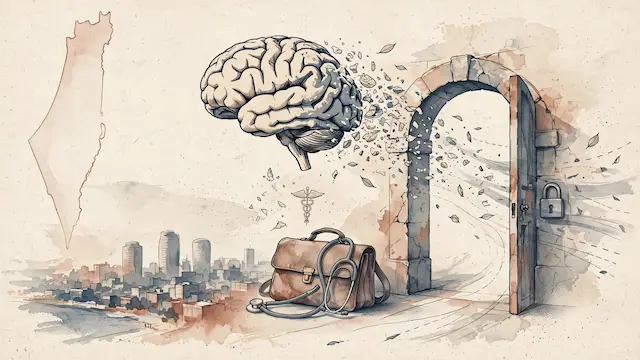
Over 1,300 doctors have left Israel in the past three years, a figure 94% higher than a decade ago, signaling a critical crisis in the nation's healthcare system. This exodus includes a significant number of experienced physicians over 45, with one report detailing two pediatric psychiatrists leaving a central Israel hospital for Australia, coinciding with a 40% surge in demand for child mental health services at their former workplace. The departure of specialists creates a vicious cycle: fewer doctors lead to increased workloads and burnout, prompting more physicians to leave.
MK Tatyana Mazarsky of the Yesh Atid party highlighted that medical personnel are a strategic national resource, emphasizing the need to not only train more doctors but also to create conditions that encourage them to stay. She criticized the Ministry of Health's historical lack of strategic planning for medical workforce development, noting that only recently was a deputy director general appointed to address long-term planning. While progress has been made in increasing medical student enrollment, a key bottleneck remains the insufficient number of specialization slots for doctors.
Mazarsky proposed several solutions, including ensuring clear professional pathways for young doctors, offering opportunities for medical research, and actively recruiting Israeli doctors from abroad. She stressed that Israel must compete internationally for medical talent, as many countries face similar shortages. The consequences of this brain drain are felt by all citizens through longer wait times, understaffed departments, and increased travel for medical care. The strength of Israel's healthcare system relies on its people, and the state must invest in them to maintain its quality.
The same event, reported separately by each outlet. Open a few to compare what different newsrooms emphasize — and what they leave out.
Left 1Centre 6Right 2Haredi 1Arab 3Other 9




























Not the same event — other stories that share this one’s people, places, or theme: background, reactions, and follow-ups.