Water Crisis Looms as Desalination Plants Shut Down Amidst Political Dispute
Translated & summarized from Zman Yisrael by baba
Five major Israeli desalination plants shut down simultaneously due to algae bloom, forcing reliance on depleted natural water sources. A former Water Authority chief claims political pressure prevented a tariff increase two years ago, leading to increased pumping from the Sea of Galilee and exacerbating the current crisis.
The story in 6 lines · by baba
- Five of six major Israeli desalination plants shut down simultaneously due to algae.
- This forces increased reliance on the Sea of Galilee and groundwater.
- A former official blames political pressure for blocking a tariff hike two years ago.
- The decision led to increased pumping from the Sea of Galilee, worsening the current situation.
- Farmers growing 70% of Israel's cherry tomatoes are at risk.
- A planned solution involving 200 boreholes has not been fully implemented.
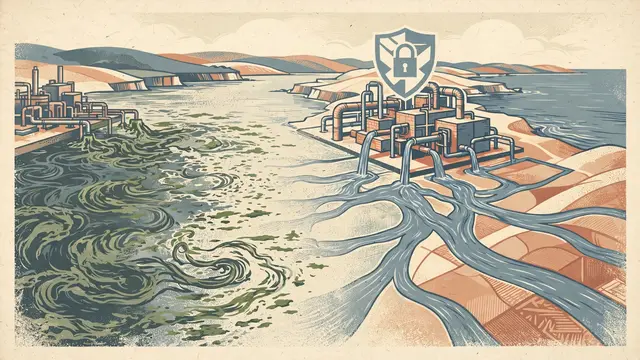
Five out of Israel's six major desalination plants were simultaneously shut down in early September 2026 due to a surge in tiny algae, an unprecedented event according to reports. This shutdown necessitates increased reliance on the Sea of Galilee and groundwater reserves, which are already at low levels after two years of minimal rainfall. The situation has been exacerbated by a political decision made approximately two years prior, when a proposed small increase in water tariffs, which would have funded the purchase of more desalinated water, was reportedly blocked due to political pressure. Instead, the decision was made to draw more water from the Sea of Galilee, a move now seen as contributing to the current crisis.
Former Water Authority Director General Giora Shaham attributes the current difficulties to this political interference, stating that the water council, which is meant to make independent professional decisions on water tariffs and allocation, was subjected to external pressure. He described the decision to forgo the tariff increase and instead pump more from the Sea of Galilee as "a classic example of mortgaging the future for a small present gain." The Water Authority, however, offers an alternative explanation, attributing the increased pumping to war-related delays in the completion of a new desalination plant and the upgrade of an existing one, suggesting the need for more water stemmed from a lack of desalination capacity rather than a tariff decision.
Reports indicate that the simultaneous shutdown of five plants, stretching from Shiqmona in the north to Ashkelon in the south, occurred because they are concentrated along a short coastline exposed to the same water turbidity caused by the high algae concentration. This turbidity could damage the reverse osmosis membranes essential for desalination, potentially leading to prolonged facility outages. The agricultural sector in the Western Negev and the Nitzana foothills, where approximately 20,000 dunams of vegetable crops are grown, including 70% of Israel's cherry tomatoes, is particularly at risk. Farmers have been warned of short water supplies, with one official stating that "another day without water and the damage will be irreversible."
The Water Authority had previously simulated a scenario involving the disruption of all desalination facilities, with its master plan outlining the development of 200 boreholes at a cost of 1.1 billion shekels to ensure supply even if most desalination plants were compromised. However, this plan has not yet been fully implemented, with many existing boreholes reportedly out of service due to poor quality or technical issues. The government identified the risk and priced a solution, but its execution has been slow, leaving the country vulnerable. Emergency measures being considered include reactivating contaminated or long-unused boreholes.
Mentioned