
Fuel Prices Set to Rise Sharply After Elections
Translated & summarized from Hamal by baba
Fuel prices in Israel are expected to rise significantly after the upcoming elections, potentially reaching 9 shekels per liter. A temporary tax reduction, implemented before the elections, is set to expire, contributing to the anticipated increase. Global oil price hikes have already caused a smaller expected rise of about 30 agorot, pushing prices above 8 shekels. The final price will be determined by market conditions later this week.
The story in 5 lines · by baba
- Fuel prices in Israel are expected to rise significantly after elections, potentially reaching 9 shekels per liter.
- A temporary tax reduction on fuel, implemented before elections, is set to expire.
- Global oil price increases have already led to an expected rise of about 30 agorot.
- The current price for 95-octane gasoline is 7.77 shekels per liter as of Sunday.
- Finance Minister Bezalel Smotrich must decide whether to extend the tax reduction post-election.
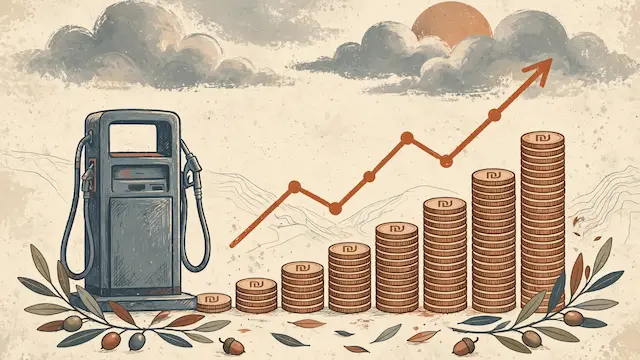
Fuel prices in Israel are poised for a significant increase in the coming week, potentially reaching 9 shekels per liter for 95-octane gasoline. The current price stands at 7.77 shekels per liter as of Sunday. This anticipated surge follows the expiration of a temporary tax reduction on fuel, known as "Blu," which was implemented by Finance Minister Bezalel Smotrich a month prior to elections to prevent a price hike. The original order, signed a month earlier, had reduced the tax by half a shekel, but rising oil prices necessitated a larger reduction.
Under normal circumstances, taxes constitute over 60% of the fuel price, generating approximately 20 billion shekels annually for the state. The tax reduction over the past two months is estimated to cost the state around 467 million shekels in lost revenue during a war year with record defense spending. Smotrich will face a decision after the elections on whether to extend the tax reduction. If the current government is not expected to continue, he may allow prices to rise, leaving the next government to deal with the consequences.
A preliminary price increase is expected as early as Saturday night. Global market dynamics, including anticipation of a third conflict between Israel and Iran involving the United States, have already driven up crude oil prices by about 10% since late September. Even if the tax reduction remains in effect, an increase of approximately 30 agorot is currently expected, pushing the price slightly above 8 shekels per liter. The final price will be determined by Mediterranean oil prices towards the end of the week, but this increase may only be temporary, lasting a few days.
Mentioned
The same event, reported separately by each outlet. Open a few to compare what different newsrooms emphasize — and what they leave out.
Centre 3Haredi 1Arab 1Other 4








Not the same event — other stories that share this one’s people, places, or theme: background, reactions, and follow-ups.
