
Fuel Prices Set to Surge Post-Election in Israel
Translated & summarized from Walla by baba
Fuel prices in Israel are poised to increase by up to 1.5 shekels per liter after the upcoming elections, potentially reaching 9 shekels. This follows the expiration of a tax reduction implemented by Finance Minister Bezalel Smotrich. The decision to extend the tax relief or allow prices to rise rests with Smotrich, with global oil prices also influencing the final cost.
The story in 5 lines · by baba
- Fuel prices in Israel are expected to rise by up to 1.5 shekels per liter after the elections.
- The current price for 95-octane gasoline is 7.77 shekels per liter.
- Finance Minister Bezalel Smotrich implemented a tax reduction to prevent pre-election price hikes.
- The state is projected to lose 467 million shekels due to the tax reduction.
- Global oil prices have increased by 10% due to geopolitical tensions.
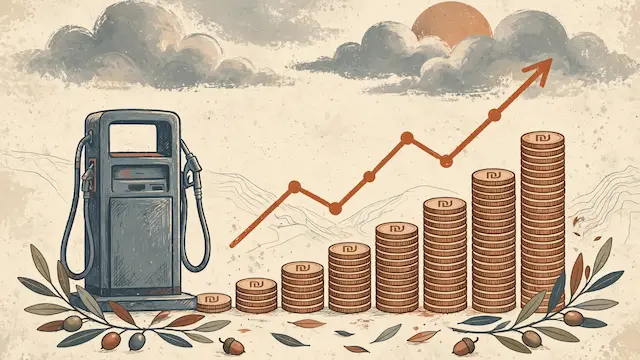
Fuel prices in Israel are expected to rise significantly immediately after the upcoming elections, with a potential increase of up to 1.5 shekels per liter for 95-octane gasoline. The current price stands at 7.77 shekels per liter as of Sunday. This anticipated hike follows the expiration of a tax reduction measure implemented by Finance Minister Bezalel Smotrich. The reduction, initially set at half a shekel and later increased to one shekel, was intended to prevent a price jump before the elections.
More than 60% of the fuel price typically consists of taxes, contributing approximately 20 billion shekels annually to state revenue. The recent tax reduction is estimated to cost the state around 467 million shekels in lost revenue during the current war year, which has already seen record defense spending. Minister Smotrich will need to decide whether to extend the tax relief after the elections.
If the current government is not expected to continue, Smotrich might allow prices to surge, creating a new financial challenge for the incoming government. The first price increase is anticipated as early as Saturday night. Global factors, including expectations of further conflict with Iran and the United States, have already driven up crude oil prices by about 10% since late September.
Even if the tax reduction remains in effect, an increase of approximately 30 agorot is currently projected, bringing the price to just over 8 shekels per liter. The final price will be determined by Mediterranean oil prices towards the end of the week, but this stabilization may only last a few days.
Mentioned







