
Libya-Turkey Maritime Deal Sparks Israeli Outrage
Translated & summarized from Maariv by baba
Israel has condemned a maritime border agreement between Libya and Turkey, approved by the Libyan House of Representatives on October 20th. Israel views the deal as a threat to its energy infrastructure plans with Greece and Cyprus. Turkey defended the agreement as a sovereign right, while Turkish media sharply criticized Israel's opposition. The deal, originally signed in 2019, strengthens Turkey's position in regional energy disputes.
The story in 6 lines · by baba
- Israel condemned a maritime border deal between Libya and Turkey approved by the Libyan parliament.
- The Libyan House of Representatives unanimously approved the maritime deal on October 20th.
- Israel believes the agreement threatens its energy infrastructure plans with Greece and Cyprus.
- Greece and Cyprus also oppose the deal, citing violations of international law.
- Turkish media sharply criticized Israel's opposition to the agreement.
- The deal, signed in 2019, aims to bolster Turkey's regional energy claims.
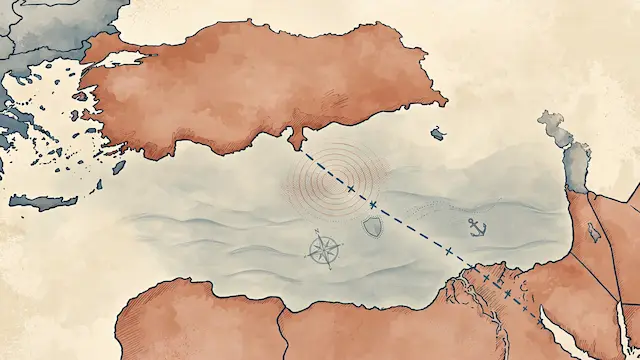
Israel has condemned a maritime border agreement between Libya and Turkey, which was unanimously approved by the Libyan House of Representatives on October 20th. Saleh Al-Aoun, Chairman of the Libyan House of Representatives, defended the deal, stating it is a sovereign decision that does not harm any other nations. The agreement, originally signed in November 2019 between Turkish President Recep Tayyip Erdoğan and then-Libyan Prime Minister Fayez al-Sarraj, aims to strengthen Turkey's position in the Eastern Mediterranean's energy resource disputes.
Israel views the deal as a potential obstacle to its planned joint energy infrastructure projects with Greece and Cyprus, such as the EastMed gas pipeline. Greece and Cyprus also oppose the agreement, arguing it infringes on their rights and violates international law. Despite the Libyan parliament's approval, the deal does not definitively resolve the legal disputes or grant Turkey recognized control over the claimed maritime territory.
In response to Israel's condemnation, Turkish media outlets published sharp criticism. The GZT website accused Israel of a "brazen statement" born out of "panic" over Ankara's diplomatic achievement, suggesting Israel was protecting Greek and Cypriot interests. The Turkish Presidency's Center for Countering Disinformation also issued a statement defending the deal's legality and Turkey's commitment to peace and fairness in the Eastern Mediterranean, while accusing unnamed "attacking parties" of attempting to conceal their own maritime violations.
The Libyan parliament's decision also reversed previous rejections of the deal from 2020 and severed political ties with Turkey. The approval was welcomed by rival Libyan government institutions, including the Government of National Unity and the administration appointed by the eastern-based parliament.
Mentioned
The same event, reported separately by each outlet. Open a few to compare what different newsrooms emphasize — and what they leave out.
Centre 4Right 1Other 3








Not the same event — other stories that share this one’s people, places, or theme: background, reactions, and follow-ups.



