
Shufersal Challenges Strauss in $2 Billion Coffee Market
Translated & summarized from Bizportal by baba
Shufersal is launching a major challenge in Israel's $2 billion coffee market, introducing new brands to compete with dominant players like Strauss. The move aims to increase Shufersal's profitability by reducing reliance on major suppliers and strengthening its shelf control. This strategy follows Shufersal's recent expansion into the meat market and comes as Strauss reports increased profits. The success of Shufersal's coffee initiative hinges on consumer adoption and whether it leads to lower prices or increased retailer margins.
The story in 6 lines · by baba
- Shufersal is entering the $2 billion Israeli coffee market to compete with Strauss and other major brands.
- The company aims to increase its profit margins by importing and offering new coffee brands.
- Strauss holds a dominant position in the black coffee segment, with Elite controlling over 80% market share.
- Shufersal's move coincides with Strauss reporting a significant increase in net profit.
- The success of Shufersal's strategy depends on consumer willingness to switch brands and potential price reductions.
- The initiative is part of Shufersal's broader strategy to reduce supplier dependence and boost profitability.
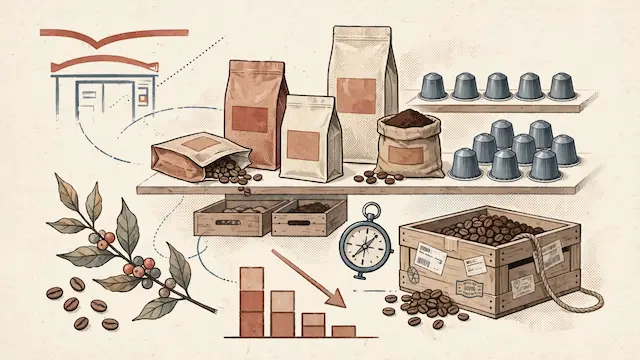
Shufersal, led by brothers Yossi and Shlomi Amir, is expanding its independent import strategy into the approximately $2 billion Israeli coffee market, aiming to compete directly with Strauss, Nespresso, and other major suppliers. This move, which has been developing over the past year, seeks to increase Shufersal's profit margins by offering new brands, including Turkish coffee Naji, instant coffee Monro, Ernesto ground coffee, and Vero, Ernesto, and Delucci capsules, alongside its private label products. The goal is to provide alternatives across all major coffee categories, reducing reliance on large suppliers.
The primary challenge lies in Strauss's dominant position, particularly in the black coffee segment, which alone generates about $130 million annually, with Elite holding over 80% market share. Strauss is also a significant player in instant and ground coffee, though the capsule market is more competitive. Shufersal's strategy mirrors its recent expansion into the meat market, aiming to reduce dependence on major suppliers, strengthen shelf control, and boost profitability.
This initiative comes at a time when Strauss has reported a significant increase in net profit, partly due to rising coffee prices globally in 2024-2025, followed by a decrease in raw material costs in 2026 while shelf prices remained high. Shufersal sees an opportunity to offer more affordable alternatives or products with higher margins for the retailer. However, success depends on convincing consumers to switch from established brands, a significant hurdle given strong brand loyalty in the coffee category.
Shufersal's push into coffee also occurs as the company faces challenges in increasing its overall sales, with revenues and same-store sales declining in the first half of 2026. While expanding product variety could help, the company has not yet presented a clear price comparison for its new coffee brands. The ultimate impact on consumers and the market will depend on whether Shufersal uses its independent imports to lower prices significantly or primarily to increase its own profit margins. Even without capturing a large market share, the ability to offer alternatives could improve Shufersal's bargaining power with existing suppliers.
The same event, reported separately by each outlet. Open a few to compare what different newsrooms emphasize — and what they leave out.
Centre 2Other 5






Not the same event — other stories that share this one’s people, places, or theme: background, reactions, and follow-ups.
