
Shufersal Challenges Strauss in Israeli Coffee Market
Translated & summarized from Globes by baba
Shufersal is intensifying competition with Strauss in Israel's 2 billion shekel coffee market by expanding its own-brand and imported coffee selections, including capsules and ground beans. This strategic move aims to offer alternatives to Strauss's dominant Elite brands, particularly in the black coffee segment where Strauss held over 80% of revenue in 2022. Strauss has recently implemented price hikes on its coffee products due to rising costs, though its profitability has improved. The success of Shufersal's initiative will hinge on its pricing and ability to draw consumers away from established brands.
The story in 6 lines · by baba
- Shufersal is expanding its coffee offerings to compete with Strauss's dominant Elite brands in Israel.
- The Israeli coffee market is valued at nearly 2 billion shekels annually, with black coffee being a major segment.
- Strauss held over 80% of the black coffee market revenue in 2022.
- Shufersal is increasing private imports and offering alternatives like ground coffee, beans, and capsules.
- Strauss has recently raised prices on its coffee products due to rising raw material costs.
- Shufersal's move could increase competitive pressure on established coffee brands in Israel.
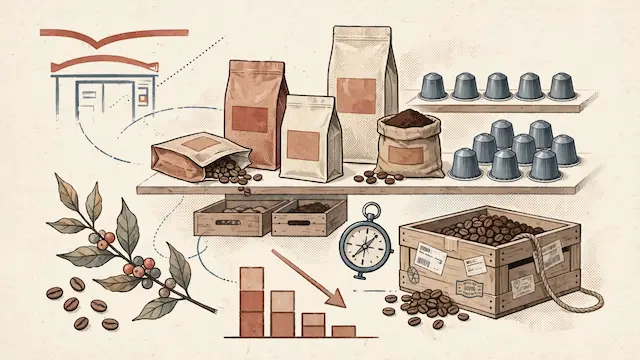
Shufersal is significantly expanding its presence in the Israeli coffee market as part of a broader strategy to increase private imports and reduce reliance on major food suppliers. The retail chain, which began this initiative about a year ago, is now broadening its product offerings to include ground coffee, coffee beans, and Nespresso-compatible capsules. This move aims to provide alternatives to established brands, particularly Strauss's Elite coffee.
Shufersal has started marketing the Turkish coffee brand Nagi, produced in Israel, and instant coffee brand Monro. Additionally, it has expanded its selection of ARNESTO ground coffee and Vero, ARNESTO, and Caffe Dellucci coffee capsules. The company reports that approximately 18 different coffee brands are currently sold in its stores, many of which are Shufersal's private labels. The chain intends to introduce more brands as part of its growing independent import program, though specific price differences compared to competing brands have not been disclosed.
This expansion targets a market where Strauss holds a dominant position, especially with its Elite black and instant coffee brands. The Israeli retail coffee market is valued at nearly 2 billion shekels annually, with black coffee accounting for about half a billion shekels, a segment where Strauss held over 80% of revenue in 2022. Strauss also competes in the capsule market against brands like Nespresso, Osem-Nestle, and Landwer.
Strauss has faced rising raw material costs in recent years, leading to price increases for its coffee products. In January 2025, its black and instant coffee prices rose by up to 18%, followed by another increase in July 2025 of up to 5% for Turkish coffee and up to 8% for instant and ground coffee. Conversely, a decrease in raw material costs during 2026 improved Strauss's profitability, contributing to a 46% rise in its operating profit in Israel for the second quarter, reaching 198 million shekels.
Shufersal's move could introduce competitive pressure on established brands, similar to its strategy in the meat market challenging major suppliers. The actual impact will depend on the pricing of the new products and their ability to attract consumers accustomed to existing brands.


