US Imposes Sanctions on International Criminal Court
Translated & summarized from N12 by baba
The Trump administration has imposed sanctions on the International Criminal Court (ICC) in The Hague, following the announcement that Navi Pillay, who led a commission accusing Israel of genocide in Gaza, won the Nobel Peace Prize. U.S. Secretary of State Marco Rubio stated the sanctions aim to prevent the ICC from prosecuting Americans and will damage its operational capabilities. The move escalates U.S. opposition to the ICC, particularly its arrest warrants against Israeli leaders, and could strain relations with European allies.
The story in 5 lines · by baba
- US imposes sanctions on the International Criminal Court in The Hague.
- Sanctions follow Nobel Peace Prize award to former ICC judge Navi Pillay.
- US cites preventing prosecution of Americans as reason for sanctions.
- Sanctions may impact ICC's ability to operate and its service providers.
- Move escalates US opposition to ICC arrest warrants for Israeli officials.
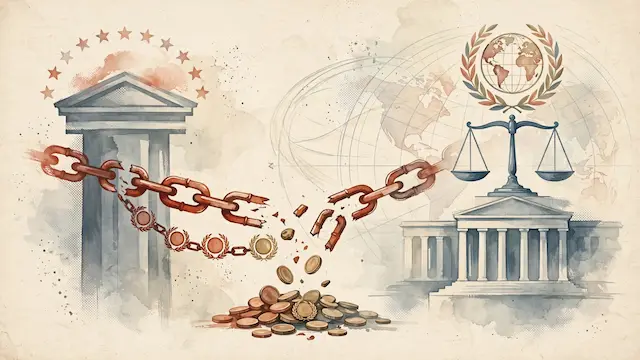
The Trump administration announced on Friday that it is imposing sanctions on the International Criminal Court (ICC) in The Hague. This move comes just hours after it was revealed that Navi Pillay, a former judge who headed a UN commission that concluded Israel committed genocide in Gaza, was awarded the Nobel Peace Prize. The U.S. sanctions could also affect companies providing services to the court, potentially disrupting its operations and creating a diplomatic rift with European allies.
Pillay, an 85-year-old South African jurist, led a UN commission last year that issued a report finding Israel guilty of genocide in the Gaza Strip. Her Nobel Prize win drew sharp criticism from Israel. Pillay previously served as a judge on the appeals chamber of the ICC from 2003 to 2008.
U.S. Secretary of State Marco Rubio stated that the sanctions are intended to prevent the ICC from prosecuting American citizens. "President Trump will never allow the International Criminal Court to prosecute Americans," Rubio declared, adding, "We will prohibit transactions with this rogue court, stop its access to resources, and damage its ability to operate."
The sanctions may lead banks to close the court's accounts, insurers to withdraw coverage, and software companies to cease cooperation. According to Reuters, these measures could significantly impair the court's ability to function, going beyond previous personal sanctions imposed on judges and prosecutors.
This action reflects Washington's long-standing opposition to the ICC, particularly its arrest warrants against senior Israeli officials, including Prime Minister Benjamin Netanyahu and former Defense Minister Yoav Gallant. The U.S. had also expressed anger over a past ICC investigation into actions by American soldiers in Afghanistan, which has since been closed.
Rubio indicated that the U.S. had delayed these sanctions hoping for action from the court and its member states to address U.S. concerns, but these efforts were unsuccessful. He urged U.S. allies, many of whom are ICC members and rely on American military protection, to take steps to restrain the court. "Either the court stops its threats, or we will put an end to it," Rubio stated, warning that the administration would continue to adjust its actions if negotiations fail to yield a solution.
Mentioned
The same event, reported separately by each outlet. Open a few to compare what different newsrooms emphasize — and what they leave out.
Left 1Centre 5Right 1Arab 2Other 6