
UK Significantly Expands Arms Embargo Against Israel
Translated & summarized from Globes by baba
The UK has significantly expanded its arms embargo on Israel, adding around 50 new export licenses to a previously frozen list of 30. This policy shift, driven by the new British government, aims to prevent arms from being used in Gaza or the West Bank and is part of broader sanctions against Israeli settlements.
The story in 5 lines · by baba
- UK significantly expanded its arms embargo on Israel.
- Around 50 new export licenses were added to the restricted list.
- The move is part of a policy reset under the new British government.
- Sanctions are intended to prevent arms use in Gaza and West Bank.
- Israel previously reacted sharply to earlier British sanctions.
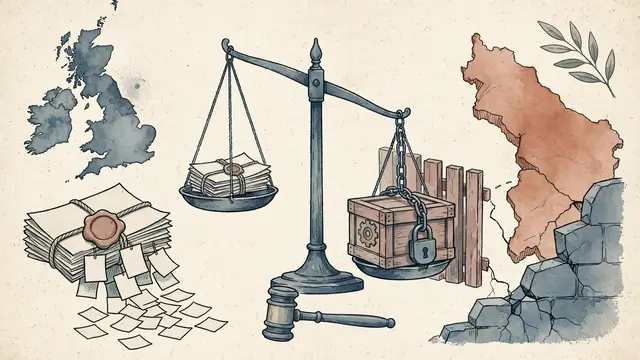
The United Kingdom has substantially expanded its arms embargo on Israel, according to a report by the British Jewish Chronicle. This move is part of a "reset" in relations under the new British government. In addition to 30 previously frozen export licenses for weapon systems, approximately 50 more licenses have been added to the restricted list in recent months.
The policy shift is attributed to the new government led by Andy Burnham and its revised approach to Israel. "We have now suspended or refused to approve around 80 licenses," stated Middle East and North Africa Minister Stephen Daubney, as quoted by the newspaper. He explained that decisions made on September 8th have created a "dual brake mechanism" on arms exports to Israel.
At that time, British Foreign Secretary Ed Miliband informed Parliament about impending sanctions on goods from Israeli settlements and an intensified arms embargo on Israel, intended to prevent their use in Gaza or the West Bank. Miliband is personally reviewing each export license to ensure the new policy is implemented. The minister noted that licenses must be considered against existing criteria regarding violations of international humanitarian law, and also in light of the "illegality of the occupation," marking a significant advancement in policy.
In the past month, the British government has notably hardened its stance. Miliband recently declared, "I want to say to the millions of people in our country, and elsewhere, who have been touched by the plight of the Palestinian people: we hear you, you were right." He directly addressed the Israeli government, stating, "When it comes to trying to destroy the two-state solution, this party, this government, says clearly, we will not let you succeed!" Miliband also announced future sanctions on Israeli settlements, encompassing both goods and services, with implementation expected within six to nine months.
Israel reacted sharply to Miliband's September announcement, including the pledge to tighten the arms embargo. British representatives were expelled from the International ceasefire monitoring headquarters in Kiryat Gat, the British consulate in Jerusalem responsible for ties with the Palestinian Authority was closed, its diplomats were deported, and a ban on entry was imposed on several prominent far-left British figures, including former Labour Party members.
Mentioned
The same event, reported separately by each outlet. Open a few to compare what different newsrooms emphasize — and what they leave out.
Left 1Centre 5Right 2Haredi 1Arab 1Other 5


















