
Fuel Prices in Israel Poised for Sharp Rise, Hitting Drivers' Wallets
Translated & summarized from Ice by baba
Fuel prices in Israel are expected to jump by 25-40 agorot per liter by Thursday, pushing the cost of 95-octane gasoline above 8 shekels. This rise, driven by global oil prices and a weaker shekel, threatens to erase a recent tax cut and impact the broader economy.
The story in 6 lines · by baba
- Fuel prices in Israel to rise significantly this week.
- Gasoline cost expected to exceed 8 shekels per liter.
- Global oil prices and weaker shekel drive the increase.
- Government tax cut may be fully negated.
- Broader economic impact on inflation expected.
- Pressure mounts to extend tax relief.
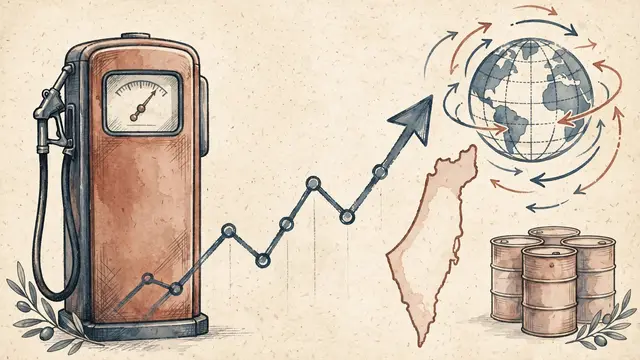
Drivers in Israel are bracing for a significant increase in fuel prices, expected to take effect by the end of this week. Escalating tensions in the Strait of Hormuz have led energy sector analysts to predict a sharp rise of 25 to 40 agorot per liter of gasoline. This increase is projected to push the price of 95-octane self-service gasoline back above the 8 shekel mark per liter. This would translate to an additional 15 to 20 shekels for an average refueling, a cost that will be keenly felt by households already facing financial pressures.
The current price of 7.75 shekels per liter is largely due to an emergency order signed by Finance Minister Bezalel Smotrich in early September, which temporarily reduced excise tax by 50 agorot for two months. However, the current global rise in crude oil prices, coupled with the weakening of the Israeli shekel against the dollar, threatens to negate this government subsidy entirely.
Economists warn that beyond the direct impact on private vehicle travel costs, the rise in energy prices will have an immediate and widespread effect on the consumer price index in October. The increase in fuel costs creates a domino effect, raising transportation, goods delivery, factory production, and flight prices.
Amidst these developments, public and economic pressure is mounting on the Finance Ministry to extend the tax reduction into the winter months. However, legal officials may pose difficulties for such a move close to the end of October elections, citing concerns about "election economics." Without further government intervention, Israeli drivers could soon face new record-high fuel prices.
The same event, reported separately by each outlet. Open a few to compare what different newsrooms emphasize — and what they leave out.
Centre 3Right 5Haredi 2Arab 2Other 6
















