
Israeli Gasoline Prices Poised to Rise Above 8 Shekels Again
Translated & summarized from Bizportal by baba
Israeli gasoline prices are expected to rise by 30-35 agorot per liter, potentially exceeding 8 shekels again, due to global energy market increases and high refining margins. This follows a recent 50 agorot tax reduction that temporarily lowered prices.
The story in 5 lines · by baba
- Gasoline prices in Israel may rise above 8 shekels per liter soon.
- The increase is driven by global oil prices and refining costs.
- A recent 50 agorot tax cut temporarily lowered prices.
- The price hike could add tens of shekels to monthly household expenses.
- Future prices depend heavily on international oil market trends.
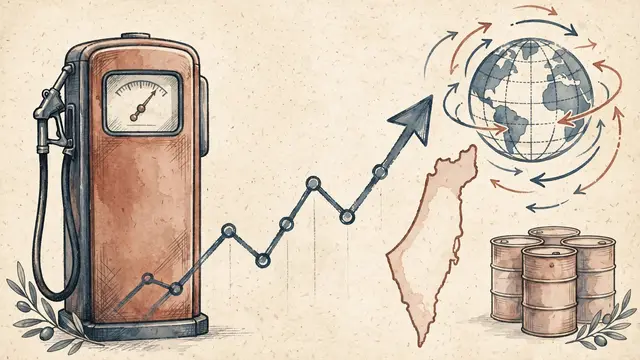
Less than a month after a reduction in excise tax led to a 50 agorot decrease in gasoline prices, Israeli consumers may soon see prices climb back above 8 shekels per liter. Current estimates suggest that a liter of 95-octane self-service gasoline could increase by approximately 30-35 agorot, returning to the 8.05-8.10 shekel range. This projection is based on global energy market trends, particularly the price of Brent crude oil, which is trading around $106 per barrel. This price level is significantly influenced by ongoing tensions in the Persian Gulf and attacks on energy infrastructure in the region.
The price of gasoline in Israel is more closely tied to the refined gasoline prices in the Mediterranean basin than to raw crude oil prices. The Israeli pricing mechanism considers the average gasoline prices in the region during the final trading days of the month, converts them to shekels, and adds marketing margins, excise tax, and VAT. Recent global refining margins have been exceptionally high, exacerbated by the war in Ukraine and attacks on Russian refineries, leading to tight supplies of refined products like gasoline and diesel.
Earlier in the month, the Israeli government reduced the excise tax by 50 agorot, bringing the price down from 8.25 to 7.75 shekels per liter. This measure was intended to mitigate a sharp price increase that had accumulated over the summer. Without this tax reduction, the current price would be about half a shekel higher. However, while excise taxes can cushion global price drops, they struggle to counteract significant upward trends driven by the energy market.
For families consuming around 120 liters of gasoline per month, the projected increase of 30-35 agorot per liter would add approximately 36-42 shekels to their monthly expenses. Heavier users, consuming 200 liters, would see an increase of 60-70 shekels. While seemingly moderate individually, these fuel price fluctuations have a ripple effect on transportation, delivery services, and overall business costs.
The future price of gasoline remains contingent on global oil prices and refining margins. Continued high oil prices, with Brent crude trading between $105-$110 per barrel, make a return to prices above 8 shekels per liter highly probable for the next price update.
The same event, reported separately by each outlet. Open a few to compare what different newsrooms emphasize — and what they leave out.
Centre 3Right 5Haredi 2Arab 2Other 6
















