
Fuel Prices Set to Rise Significantly in Israel
Translated & summarized from Walla by baba
Fuel prices in Israel are expected to increase by approximately 40 agorot per liter starting October 1st, reaching about 8.15 shekels, due to rising global oil prices. This comes less than a month after a temporary tax reduction was implemented, which is now being eroded by market forces.
The story in 5 lines · by baba
- Fuel prices in Israel to rise significantly on October 1st.
- Price increase driven by rising global oil costs.
- Recent tax reduction is being quickly offset.
- A 50-liter tank fill-up could cost 20 shekels more.
- Further price hikes possible in November.
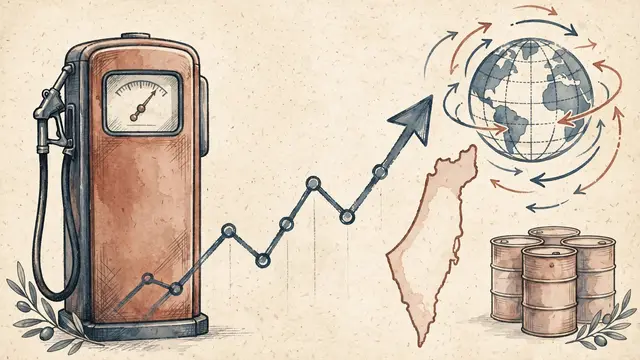
The recent reduction in fuel prices in Israel is set to be short-lived, with significant price increases expected starting October 1st. Analysts predict the cost of 95-octane gasoline at self-service stations will jump by approximately 40 agorot, reaching about 8.15 shekels per liter, up from the current 7.75 shekels. The Ministry of Energy stated that the exact increase will be finalized after data compilation, but a rise is certain due to escalating global oil prices, with a barrel currently costing around $99.
This upcoming hike occurs less than a month after Finance Minister Bezalel Smotrich intervened to prevent a steeper 60 agorot increase by temporarily reducing the fuel excise tax (blue tax). This measure lowered the price to 7.75 shekels per liter and was intended to remain in effect until the end of October.
However, the anticipated price increase is happening while the tax reduction is still active. The rise in global oil prices is already negating a substantial portion of the drivers' relief within weeks. If the 40 agorot increase materializes, filling a 50-liter tank will cost about 20 shekels more, bringing the total to approximately 407.5 shekels from the current 387.5 shekels. This represents a noticeable additional expense for families with multiple vehicles or individuals who drive frequently.
Last month's excise tax reduction aimed not only to ease the burden on drivers but also to mitigate the impact of fuel costs on transportation and distribution expenses, which ultimately affect consumer prices. With fuel prices climbing again before the tax reduction expires, further price hikes are possible in November if the reduction is not extended, depending on global oil prices and the dollar exchange rate.
The same event, reported separately by each outlet. Open a few to compare what different newsrooms emphasize — and what they leave out.
Centre 3Right 5Haredi 2Arab 2Other 6
















