
Fuel Prices Set to Rise Again in Israel After Recent Reduction
Translated & summarized from Now 14 by baba
Gasoline prices in Israel are projected to increase by over 40 agorot per liter in October, potentially exceeding 8 shekels again. This follows a recent temporary tax reduction that lowered the price to 7.75 shekels, with the latest rise attributed to global market factors.
The story in 5 lines · by baba
- Fuel prices in Israel expected to rise over 40 agorot per liter.
- Price may exceed 8 shekels, reversing recent tax cut relief.
- Final price depends on Ministry of Energy calculations.
- Potential impact on transportation and consumer goods prices.
- Temporary excise tax reduction was implemented last month.
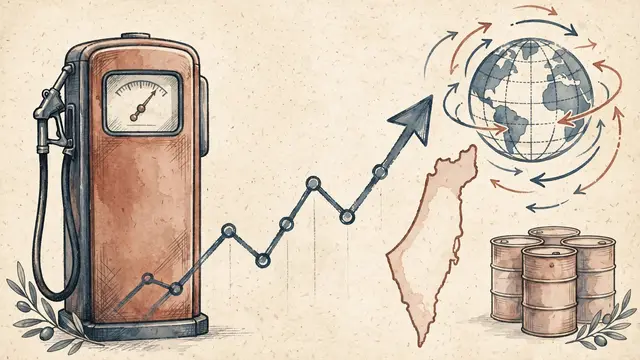
Drivers in Israel are bracing for another increase in fuel prices, with the cost of a liter of 95-octane gasoline expected to jump by more than 40 agorot (about $0.11) in the upcoming October update. This would push the price back above the 8 shekel threshold, shortly after it had fallen to 7.75 shekels due to a temporary reduction in excise duty. The final price will be determined in the coming days by the Ministry of Energy and Infrastructure, based on a formula that includes regional gasoline prices, the dollar exchange rate, marketing costs, excise tax, and VAT.
Last month, the price of gasoline had reached 8.25 shekels per liter. In response, Finance Minister Bezalel Smotrich approved a temporary 50 agorot per liter cut in excise tax, which brought the price down to 7.75 shekels. Despite this reduction remaining in effect, rising global gasoline prices and other components of the calculation formula are now driving the expected increase.
If the current projections hold true, most of the relief drivers experienced last month will be eroded. For drivers filling a 50-liter tank, an increase of over 40 agorot per liter translates to an additional cost of approximately 20 shekels per refueling. A larger actual increase would result in a higher cost for consumers.
Beyond the direct impact on drivers, the rise in fuel prices could also lead to increased transportation and shipping costs, potentially affecting the prices of goods and services across the economy. The Ministry of Energy and Infrastructure will publish the final maximum price after reviewing updated trade data and completing the official calculation.
The same event, reported separately by each outlet. Open a few to compare what different newsrooms emphasize — and what they leave out.
Centre 3Right 5Haredi 2Arab 2Other 6
















