
Israel Faces Fuel Price Surge as Tax Break Nears End
Translated & summarized from Mignews by baba
Israel is anticipating a significant fuel price increase, potentially pushing 95-octane gasoline above 8 shekels per liter, as a temporary tax reduction is set to expire at the end of October. The rise is attributed to global oil market instability and a weakening shekel, with experts warning of increased living costs and economic challenges if the tax break is not extended.
The story in 5 lines · by baba
- Fuel prices in Israel are expected to rise significantly, possibly exceeding 8 shekels per liter.
- A temporary 50-agorot excise tax reduction expires at the end of October.
- Global oil prices and a weaker shekel are driving the increase.
- The price hike could negate the benefits of the current tax reduction.
- Experts urge extending the tax break to avoid higher living costs.
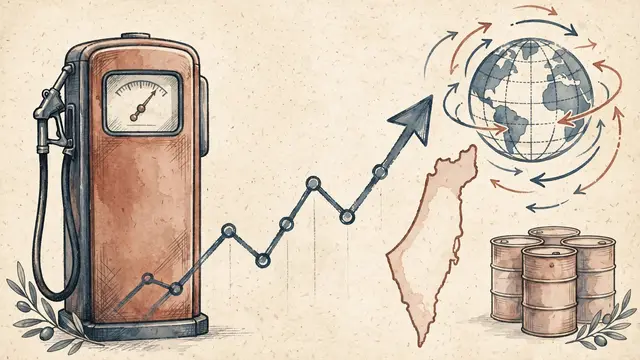
Israel is bracing for a significant increase in fuel prices, potentially exceeding 8 shekels per liter for 95-octane gasoline, as chaos in the Strait of Hormuz impacts global oil markets. Energy sector estimates suggest a price hike of approximately 25 to 40 agorot per liter, which would add 15 to 20 shekels to the cost of a full tank for drivers. The current price stands at 7.75 shekels per liter at self-service stations.
This anticipated rise follows months of increasing fuel costs, driven by global oil price surges and a weakening shekel against the dollar. In response to public pressure, Finance Minister Bezalel Smotrich approved a temporary 50-agorot excise tax reduction per liter in early September, valid until the end of October. This measure was intended to mitigate the impact of rising prices and was framed as a "pre-election saving."
The impending price increase threatens to negate much of the benefit from the tax reduction, potentially weakening its effect sooner than anticipated. While the September tax break is expected to temporarily soften the consumer price index and inflation figures, the October price hike, coupled with the looming expiration of the tax break, is projected to have the opposite effect.
Economists and industry insiders are urging the Finance Ministry to extend the tax reduction into the winter months. However, legal advisors who approved the current measure may object to another extension so close to the October 27th elections. Experts warn that without an extension, Israel could see a return to record-high fuel prices, increasing the cost of living, dampening private consumption, and potentially hindering the Bank of Israel's ability to lower interest rates.
The same event, reported separately by each outlet. Open a few to compare what different newsrooms emphasize — and what they leave out.
Centre 3Right 5Haredi 2Arab 2Other 6
















