
Fuel Prices in Israel Poised for Sharp Rise, Exceeding 8 Shekels Per Liter
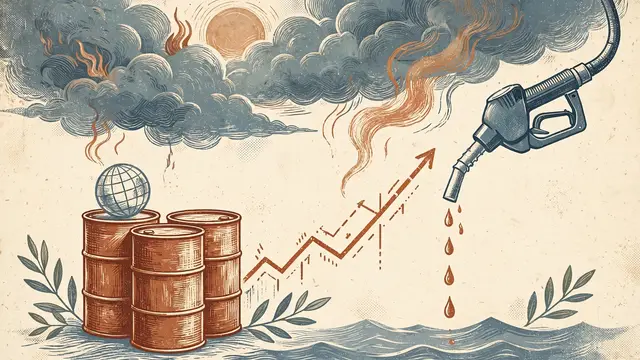
Fuel prices in Israel are expected to surge significantly next week, with the price of a liter of gasoline anticipated to exceed 8 shekels. This increase, estimated at over 40 agorot per liter, is attributed to rising global oil prices driven by geopolitical tensions, including those involving Iran and the Houthis, as well as broader regional instability and threats to international shipping lanes.
The final price will be determined by the end of the month, approximately five days from now. Current projections indicate that the price of gasoline will surpass the 8-shekel mark at fuel stations.
The anticipated price hike follows a sustained rise in oil costs, influenced by factors such as tensions with Iran, the Houthi control over the Bab al-Mandab strait, and the conflict between Russia and Europe. These global oil price increases directly impact fuel costs in Israel, which are regularly adjusted based on international derivative prices and other consumer-facing cost factors.
This impending rise threatens to largely negate the Israeli government's decision earlier this month to subsidize fuel prices by 50 agorot per liter. The subsidy, which cost the state treasury approximately 300 million shekels, was implemented to counter a previous record-high price forecast. The new increase is expected to almost completely offset the benefit of this subsidy.
Further price increases could occur unless the Finance Minister, Bezalel Smotrich, decides to expand the government's fuel subsidy. With elections approaching in about a month, the government faces the challenge of potentially entering the election period with record-high fuel prices, despite previous commitments to mitigate the impact of rising costs on the public. An additional decision to broaden the subsidy or reduce the consumer price may be necessary to prevent this.
The same event, reported separately by each outlet. Open a few to compare what different newsrooms emphasize — and what they leave out.









Not the same event — other stories that share this one’s people, places, or theme: background, reactions, and follow-ups.




