
Fuel Prices Set to Surge Again in Israel, Erasing Recent Drop
Translated & summarized from Behadrei Haredim by baba
Fuel prices in Israel are projected to increase by over NIS 0.40 per liter next week, potentially exceeding NIS 8 and erasing most of a recent NIS 0.50 reduction. The hike is attributed to global oil market factors, and the government may intervene again with tax cuts.
The story in 5 lines · by baba
- Fuel prices in Israel may rise by over NIS 0.40 per liter next week.
- The increase could push gasoline prices back above NIS 8 per liter.
- This follows a recent NIS 0.50 tax reduction implemented by the Finance Minister.
- Global oil market tensions are cited as a primary reason for the expected rise.
- Further government intervention, like tax cuts, is possible before the final price is set.
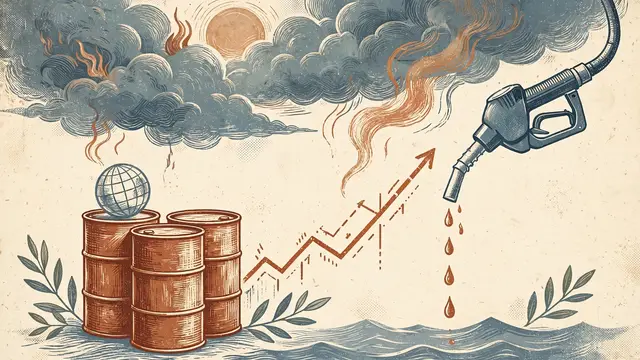
The price of fuel in Israel is expected to rise significantly next week, less than three weeks after a modest NIS 0.50 decrease. Current estimates suggest an increase of over NIS 0.40 per liter, potentially pushing the price of gasoline back above the NIS 8 threshold. The final price will be determined at the end of the month.
According to a Channel 12 report, if current forecasts hold and the government does not intervene, a liter of gasoline could exceed NIS 8. This anticipated price hike is attributed to rising global oil prices, fueled by tensions with Iran, the Houthi control of the Bab-el-Mandeb strait, and the conflict between Russia and Europe.
The impending increase follows a recent move by Finance Minister Bezalel Smotrich, who reduced excise duty by NIS 0.50 at the beginning of October, lowering the maximum price for self-service 95-octane gasoline from NIS 8.25 to NIS 7.75 per liter. This reduction was estimated to cost the state treasury approximately NIS 310 million.
Smotrich's earlier decision faced criticism due to its timing, as the tax reduction was set to expire shortly after the October 27th elections. However, supporters argued it provided immediate relief to the public.
Now, with the potential increase of over NIS 0.40, most of the earlier reduction could be erased. If the price rises by more than NIS 0.40, it would climb from the current NIS 7.75 to over NIS 8.15 per liter. For a typical 50-liter fuel tank, this would mean an additional cost of about NIS 20, effectively negating much of the recent savings for drivers.
While the final price is pending, Smotrich could opt for further tax reductions to mitigate the increase. Without such intervention, fuel prices are poised to climb back above NIS 8 per liter, just a month before the elections.








