
Fuel Prices Set to Surge Again Despite Government Subsidy
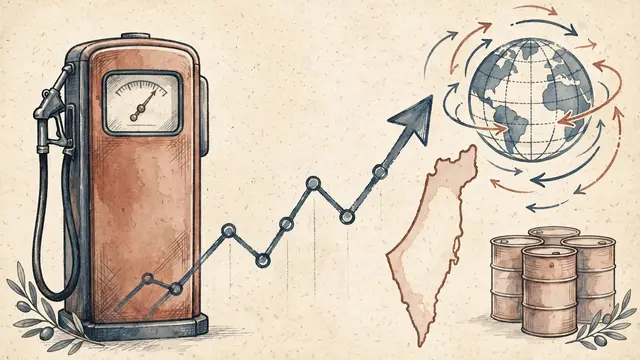
Despite a recent reduction in excise tax by Finance Minister Bezalel Smotrich, which temporarily lowered the price of gasoline to 7.75 shekels per liter, prices are expected to rise again this week. Analysts predict an increase of approximately 35 agorot, pushing the price of 95-octane gasoline back above 8 shekels per liter between Wednesday and Thursday.
The anticipated price hike is attributed to rising global oil prices, exacerbated by the deepening crisis in the Persian Gulf and attacks on oil facilities in Russia. Chen Herzog, Chief Economist at BDO, explained that the surge is driven by global oil market dynamics, including the Houthi conflict impacting shipping routes and ongoing issues with refining capacity due to the closure of the Strait of Hormuz, the war in Ukraine, and damage to Russian refineries.
While the excise tax reduction was intended to mitigate fuel costs, Herzog noted its limited effectiveness against global market trends. He pointed out that the price of a barrel of oil has recently surpassed $100, only about $15 below its peak during the Iran war. This situation reflects a triple market failure in global oil: the Strait of Hormuz, the Houthis, and Ukrainian attacks in Russia.
Last month, fuel prices had already reached a record high of 8.25 shekels per liter before Smotrich's intervention. Herzog commented that the current price increase demonstrates the ineffectiveness of tax reduction policies when global factors are the primary drivers, forcing the state to subsidize the difference from other public funds.
The same event, reported separately by each outlet. Open a few to compare what different newsrooms emphasize — and what they leave out.









Not the same event — other stories that share this one’s people, places, or theme: background, reactions, and follow-ups.


Ask About This Article
Duki reads it, and every newsroom on the same story, then answers with sources.