
Israel Election Cybersecurity Threats Surge, Over 1,200 Malicious Sites Identified
Translated & summarized from i24NEWS Arabic by baba
Cybersecurity researchers are alerting Israel to a significant increase in cyber threats and foreign influence campaigns ahead of the elections, with over 1,200 suspicious websites identified. Attacks have surged, and leaked voter data is being offered for sale, potentially for voter manipulation. Experts advise the public and organizations to take immediate preventative measures, relying on official sources and securing digital assets.
The story in 6 lines · by baba
- Over 1,200 suspicious websites have been registered in Israel related to the upcoming elections.
- Cyberattacks on Israeli digital assets have increased by 55% compared to the same period last year.
- Leaked Israeli voter data and sensitive information from military and public representatives are being circulated.
- Pro-Palestinian and Iranian activist groups have intensified discussions and information leaks.
- Experts warn of phishing attempts to steal personal data and potential voter manipulation campaigns.
- Check Point recommends public and organizational measures to enhance cybersecurity and prevent attacks.
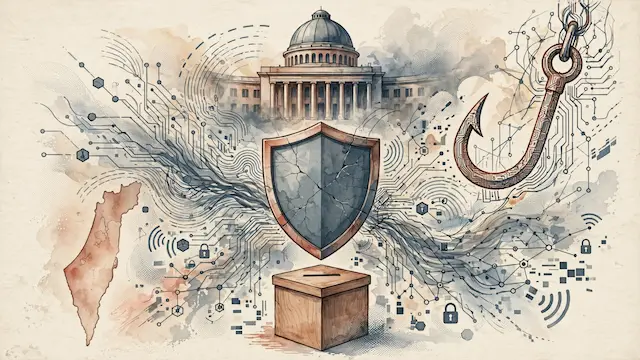
Cyber researchers are warning of an unprecedented rise in cyber threats and foreign influence attempts targeting Israel's upcoming elections. In the past two months, over 1,200 new websites related to the elections have been registered, with one in every 47 suspected of being malicious. These sites are employing advanced phishing tactics, impersonating official "voter information systems" to steal personal data like ID numbers and addresses.
Overall cyberattacks on Israeli digital assets have increased by 55% year-over-year, averaging 2,700 weekly attacks per organization. The government sector has seen a significant 82% surge, while the energy and infrastructure sector experienced the highest increase at 107%. Interest in the Israeli elections on the dark web has also peaked, with a 110% increase in attack group discussions since October. Pro-Palestinian and Iranian activist groups, such as "Handala," have intensified the leaking of sensitive information, including correspondence from public representatives and documents from the Israeli military.
Planned distributed denial-of-service (DDoS) attacks are targeting central government sites, including the Prime Minister's Office, the Knesset, and the Bank of Israel. A database containing approximately 6.5 million Israeli voter records, leaked during the 2020 elections, was reportedly re-offered for sale on a hacker forum in October. Details of 38,000 police officers and soldiers, leaked last year, were also presented as a "new leak."
Check Point warns that this leaked information could be used for fraud and voter manipulation, such as sending fake messages with a voter's name and address, requesting data updates or providing false information about voting eligibility. Sivan Dror, Director of Research at Check Point, emphasized the critical nature of the coming days, urging institutions to secure official sites and accounts and prepare for rapid responses. The public is advised to rely on official election channels, avoid sharing personal information via suspicious links, and verify information before sharing.
Check Point recommends immediate preventative measures for both individuals and organizations. The public should verify voting instructions and polling station changes through official channels only, be wary of links in messages, and avoid entering personal or payment data. Organizations are advised to check the readiness of their protection systems against DDoS attacks, secure sensitive accounts with multi-factor authentication, verify unusual requests through additional communication channels, and monitor for impersonation attempts while preparing rapid response and recovery plans.
Mentioned
The same event, reported separately by each outlet. Open a few to compare what different newsrooms emphasize — and what they leave out.
Centre 2Other 5







Not the same event — other stories that share this one’s people, places, or theme: background, reactions, and follow-ups.




