
Israel Launches 'Election Shield' to Counter Cyber Threats Ahead of Vote
Translated & summarized from Channel 13 by baba
Israel's National Cyber Directorate and the Central Elections Committee have launched "Election Shield" to combat cyberattacks and foreign influence campaigns before the upcoming Knesset elections. The operation aims to counter sophisticated methods like bot farms and fake social media accounts used to manipulate public opinion. Citizens are also advised to be wary of seemingly large online engagement, which may not represent authentic support.
The story in 6 lines · by baba
- Israel's National Cyber Directorate and Central Elections Committee launched "Election Shield" to counter election threats.
- The operation targets cyberattacks, bots, phishing, and foreign influence campaigns.
- Sophisticated methods like bot farms and fake social media accounts are being used to sway public opinion.
- Foreign influence on voters has become more sophisticated in recent election cycles.
- Social media users are urged to be vigilant against online manipulation.
- Large numbers of likes and comments may not reflect genuine public support.
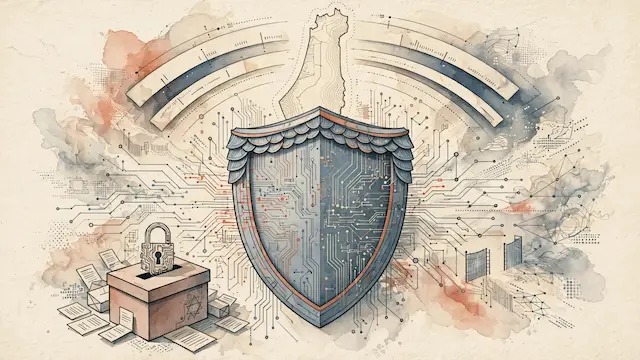
Israel's National Cyber Directorate and the Central Elections Committee have launched "Election Shield," a national operation aimed at thwarting cyberattacks, bots, phishing attempts, and foreign influence campaigns ahead of the Knesset elections. This initiative comes in response to observed trends and foreign interventions targeting democratic election processes.
Technology and innovation reporter גיא שחר explained that while foreign influence on voters is not new, the methods and scale have become more sophisticated in recent election cycles. Foreign actors utilize bot farms and fake social media accounts to create false impressions and sway public opinion in Israel. "In 2019, we first saw bot influence," שחר stated, "we see farms of people trying to influence public opinion."
The escalating threat and increased scope of these activities highlight the need for targeted disruption of foreign interference attempts. In addition to the national operation, social media users are urged to be more vigilant against daily threats. Large volumes of likes and comments on social media posts may not reflect genuine public support but could be the result of technological manipulation. "Everything we are exposed to is not necessarily real," שחר added, "even likes, even the number of people who can like or comment on a Facebook post, is not necessarily real."
Mentioned
The same event, reported separately by each outlet. Open a few to compare what different newsrooms emphasize — and what they leave out.
Centre 1Other 1

Not the same event — other stories that share this one’s people, places, or theme: background, reactions, and follow-ups.



