
Israel Prepares for Election Day Cyberattacks with "Shield of Elections" Operation
Translated & summarized from Cursorinfo by baba
Israel's Central Elections Committee and National Cyber Directorate launched "Shield of Elections" to defend the October 27 parliamentary vote from cyberattacks. Preparations included three months of security audits, monitoring, and threat response testing. Officials stress manual vote counting but acknowledge the need to protect digital infrastructure from disinformation and hacking attempts. Citizens are urged to trust official sources and report suspicious activity.
The story in 6 lines · by baba
- Israel's "Shield of Elections" operation aims to protect the October 27 parliamentary vote from cyber threats.
- The operation involves the Central Elections Committee and the National Cyber Directorate.
- Three months of preparation included security audits, monitoring, and threat response testing.
- Officials warn of disinformation campaigns to undermine trust in election results.
- Voting relies on manual ballot counting, but digital infrastructure requires protection.
- Citizens are advised to trust official sources and report suspicious activity to 119.
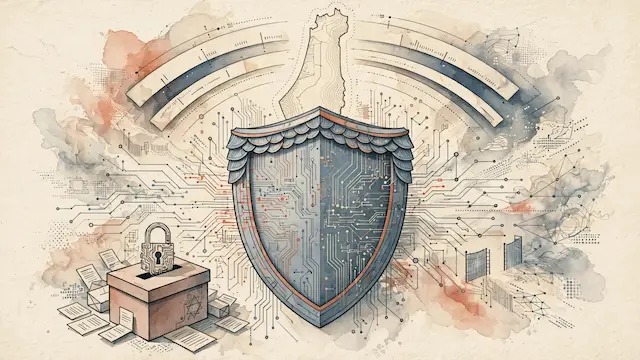
Israel's Central Elections Committee and the National Cyber Directorate have joined forces for a large-scale cybersecurity operation named "Magen Ha'Behirot" (Shield of Elections) to protect the upcoming parliamentary elections on October 27 from digital threats. The three-month preparation period involved comprehensive security audits of key information systems, round-the-clock monitoring for potential attack vectors, and extensive testing of cyber threat response scenarios.
A specialized situation room will operate on election day to swiftly identify suspicious online activity, prevent phishing attempts, counter cyberattacks on official resources, and protect government accounts. Experts warn of potential psychological pressure and disinformation campaigns aimed at creating the illusion of vote-counting system breaches to sow panic and undermine public trust, even without actual data compromise.
Noam Solberg, Head of the Central Elections Committee and Deputy President of the Supreme Court, emphasized that Israel's voting system relies on traditional manual ballot counting, not computer algorithms, ensuring each vote can be rechecked and preventing undetectable falsification. However, Yossi Karadi, Head of the National Cyber Directorate, noted that while ballots are paper, the election's organizational logistics depend on robust digital infrastructure, making its protection crucial for a stable vote and public confidence.
Authorities urge citizens to remain vigilant, rely solely on official information sources, ignore suspicious links, and avoid spreading unverified rumors. The public is advised to report any suspicious malfunctions or fake websites immediately to the unified response center at the short number 119.
Mentioned




