
Israel Faces Surge in Cyberattacks Ahead of Elections
Translated & summarized from Cursorinfo by baba
Israel is experiencing a significant surge in cyberattacks targeting government and commercial entities ahead of its parliamentary elections. Hackers are planning large-scale DDoS attacks and phishing campaigns, with a 55% increase in weekly hacking attempts compared to last year. Pro-Arab and Iran-linked groups are reportedly behind some of these activities, aiming to destabilize the country. Authorities are urging citizens to be vigilant and verify information only through official channels.
The story in 6 lines · by baba
- Cyberattack attempts on Israeli infrastructure have more than doubled ahead of parliamentary elections.
- Check Point warns of large-scale DDoS attacks planned to disrupt key internet resources on election day.
- Israeli organizations faced 2,700 hacking attempts weekly in early October, a 55% rise from last year.
- Public sector attacks rose 82%, while energy and critical infrastructure saw a 107% increase.
- Pro-Arab hacktivists and Iran-linked groups are reportedly involved in the cyber activity.
- A phishing campaign created 1,200 fake websites demanding personal data confirmation.
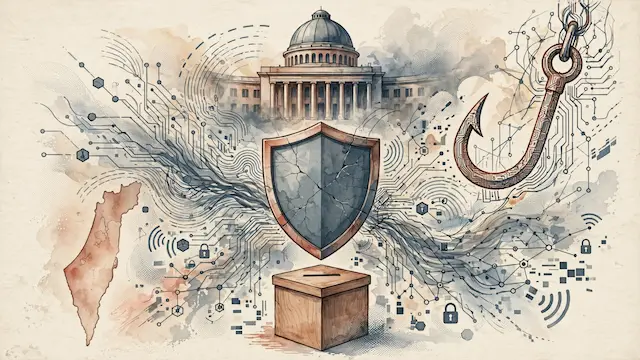
Cyberattack attempts targeting Israel's infrastructure and energy sectors have more than doubled compared to last year, with experts noting a sharp increase in hacker activity aimed at destabilizing government and commercial entities ahead of parliamentary elections. Check Point specialists warn of large-scale DDoS attacks planned to paralyze key internet resources on election day. Analytics indicate that cyberattack intensity is at record levels, with Israeli organizations facing an average of 2,700 hacking attempts per week in early October, a 55% increase from the previous year. The public sector has seen an 82% rise in attacks, while the energy and critical infrastructure sectors experienced a 107% surge. In less than a month, specialists have identified 87 successful cyber incidents resulting in temporary website outages or content manipulation. Pro-Arab hacktivists and Iran-linked groups, such as Handala, are particularly active, linking their actions to the upcoming elections. These attackers are publishing stolen databases, personal correspondence, and materials concerning prominent figures and military sites. Additionally, a large-scale phishing campaign has been detected, with approximately 1,200 fake websites created and messages sent impersonating a non-existent information service, demanding personal data confirmation. Analysis of dark web forums reveals discussions among hackers planning to disable websites of the Knesset, police, Bank of Israel, and the Prime Minister's office. Sivan Dror, Director of Research at Check Point, emphasized that the election period is traditionally exploited by attackers for maximum psychological and informational impact. Citizens are strongly advised to avoid suspicious links from SMS messages and to verify information solely through official government resources.
The same event, reported separately by each outlet. Open a few to compare what different newsrooms emphasize — and what they leave out.
Centre 2Other 5







Not the same event — other stories that share this one’s people, places, or theme: background, reactions, and follow-ups.



