
Global Media Focuses on Israel's 'Most Crucial Election'
Translated & summarized from Behadrei Haredim by baba
International media is extensively covering Israel's upcoming elections, framing them as potentially the most crucial in the nation's history. Reports focus on the political and social crises, the impact of the October 7th attacks, and the ongoing war. Key figures like Gadi Eisenkot and Prime Minister Benjamin Netanyahu are central to the coverage, with analyses delving into ethnic divides and leadership challenges. The elections are seen by many as a critical juncture for Israel's future direction.
The story in 7 lines · by baba
- Global media views Israel's upcoming elections as the most crucial in the nation's history.
- International coverage highlights Israel's political crises, the October 7th aftermath, and the ongoing war.
- CNN profiled Gadi Eisenkot, emphasizing his contrast with Prime Minister Benjamin Netanyahu.
- The Wall Street Journal noted the "ethnic demon" factor, with Mizrahi voters potentially deciding the election.
- The Guardian questioned if this would be Netanyahu's final term, citing his resilience and narrative control.
- The New York Times described an "exhausted and polarized" Israeli public facing multiple crises.
- Corriere della Sera called the election a referendum on Netanyahu's leadership and personal legal battles.
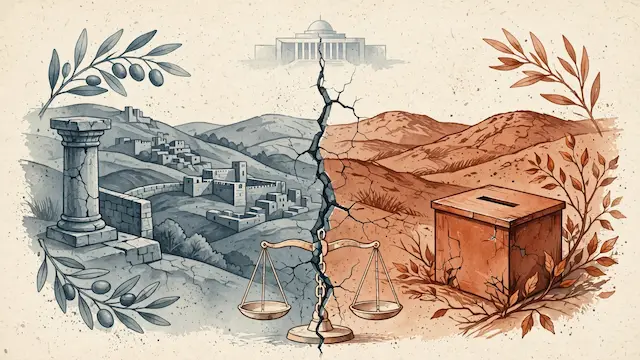
With less than three days until the polls open, Israel's upcoming elections are generating significant attention in the international press. Global media outlets are extensively covering the current electoral contest, highlighting the political and social crises gripping the nation. Coverage spans from the judicial overhaul and the aftermath of the October 7th massacre to the ongoing multi-front war and tensions with Iran.
CNN profiled Gadi Eisenkot, the leading candidate for the "Change Bloc," emphasizing his status as "not Netanyahu" and his personal background. The report noted his past as a former IDF Chief of Staff, his Mizrahi heritage (son of Moroccan immigrants), and the personal tragedy of his son Gal's death in the war, contrasting his style with Netanyahu's.
The Wall Street Journal explored the "ethnic demon" aspect of the election, analyzing the gap between Netanyahu's and Eisenkot's origins. The newspaper suggested that Israel's Mizrahi population has become a pivotal demographic that could determine the election's outcome. However, it also pointed out that Eisenkot's association with the left and liberal institutions might hinder his appeal to traditional Likud voters.
The Guardian questioned whether this would be Prime Minister Benjamin Netanyahu's final term, attributing his resilience despite the October 7th disaster, the ongoing war, and Israel's damaged international standing to his supporters' deep loyalty, his extensive experience, and his ability to control the public narrative.
The New York Times described an "exhausted and polarized" Israeli public after years of turmoil. The article analyzed Netanyahu's attempts to "reinvent himself" following the prolonged war, with the conscription crisis, the judicial overhaul, and economic damage looming in the background. The Times characterized the elections as the most fateful in Israel's history.
Italy's Corriere della Sera framed the election as a referendum on Netanyahu's leadership, noting his simultaneous fight for political survival and freedom due to his ongoing trial. The paper concluded that while Eisenkot is seen as less charismatic, for Netanyahu's opponents, these elections represent a "now or never" moment, a sentiment that, according to Britain's The Telegraph, has prompted many Israelis to return to the country specifically to vote.
Mentioned
The same event, reported separately by each outlet. Open a few to compare what different newsrooms emphasize — and what they leave out.
Centre 2Haredi 1Arab 1Other 1



Not the same event — other stories that share this one’s people, places, or theme: background, reactions, and follow-ups.



