
Two Years After Sinwar's Death, Hamas Faces Leadership Gaps and Weakened Capabilities
Translated & summarized from Now 14 by baba
Two years after the death of Hamas leader Yahya Sinwar in an IDF operation in Rafah, his absence is causing significant challenges for the organization. Hamas is experiencing changes in operational patterns, leadership gaps, and weakened command capabilities. Sinwar was killed on October 16th, two years ago, during a raid where IDF forces also recovered documents related to the October 7th attack plans.
The story in 5 lines · by baba
- Hamas faces significant challenges two years after the death of its leader Yahya Sinwar.
- Sinwar was killed by the IDF in Rafah on October 16th, two years ago.
- His absence has led to leadership voids and weakened command capabilities within Hamas.
- The organization is experiencing difficulties in maintaining internal cohesion and coordination.
- IDF forces recovered Sinwar's handwritten plans for the October 7th attack during the operation.
Two years after the killing of Hamas leader Yahya Sinwar during an IDF operation in Rafah, his absence is significantly impacting the organization's operations in the Gaza Strip. Security officials observe noticeable changes in Hamas's operational patterns, leadership voids, erosion of command capabilities, and difficulties in maintaining organizational cohesion.
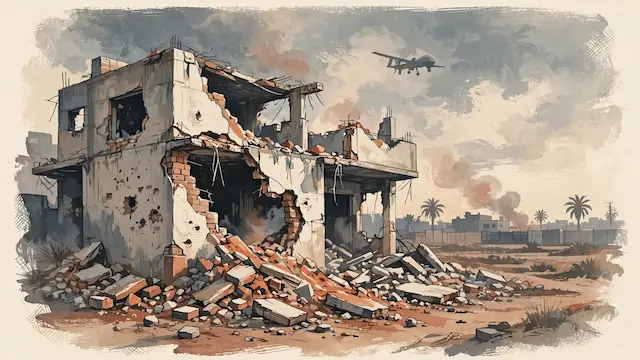
Sinwar, a central figure in Hamas's military buildup and a key architect of the October 7th attacks, was killed on October 16th, two years prior, in the Tel Sultan neighborhood of Rafah. The IDF operation, based on intelligence about the presence of senior Hamas officials, involved intense combat. During the engagement, Sinwar was wounded and, along with other militants, fled into a building. Following further clashes, he was killed within the structure.
In the short term, Sinwar's absence was felt in decision-making processes and the organization's coordination abilities due to his central leadership role. Over time, the military wing has seen shifts in operational methods, leadership gaps, weakened command structures, and struggles to preserve internal unity.
During the operation in Rafah, IDF forces collected documents, including a handwritten paper by Sinwar detailing plans for the October 7th attack. This document emphasized the importance of documenting atrocities and rapidly disseminating images to instill terror and undermine Israel's sense of security.
The same event, reported separately by each outlet. Open a few to compare what different newsrooms emphasize — and what they leave out.
Centre 5Right 4Haredi 1Arab 1










Not the same event — other stories that share this one’s people, places, or theme: background, reactions, and follow-ups.



