
IDF Details Two-Year Anniversary of Hamas Leader Sinwar's Killing in Rafah
Translated & summarized from Makor Rishon by baba
Two years after the killing of Hamas leader Yahya Sinwar in Rafah on October 16, 2024, the IDF has released operational details and documents. The IDF operation in Tel Sultan resulted in Sinwar's death after an initial identification and subsequent firefight. The military also published Sinwar's handwritten documents detailing his planning for the October 7th attack, including directives for documenting atrocities. His death is assessed to have significantly impacted Hamas's leadership and operational capabilities.
The story in 6 lines · by baba
- The IDF released details two years after killing Hamas leader Yahya Sinwar in Rafah on October 16, 2024.
- Sinwar was killed in the Tel Sultan neighborhood during an IDF operation following intelligence reports.
- IDF forces identified Sinwar after an initial exchange of fire and secured the area with tanks and drones.
- During the operation, a soldier was seriously injured, and Sinwar was killed after taking refuge in a building.
- The IDF also published Sinwar's handwritten documents detailing his planning for the October 7th attack.
- Sinwar's death is assessed to have significantly impacted Hamas's leadership and coordination.
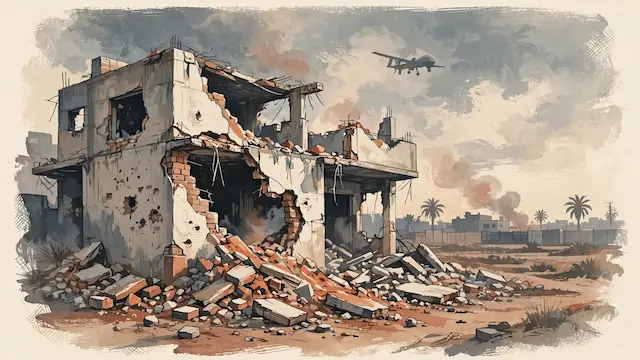
Two years after the killing of Hamas leader Yahya Sinwar, the IDF has released details of the operation that led to his death. Sinwar, a key architect of the October 7th attacks, was killed on October 16, 2024, during an IDF operation in the Tel Sultan neighborhood of Rafah. The military also published footage from the moments preceding his death and documents in Sinwar's handwriting that detail his role in planning the attack and his directives for its execution.
According to the IDF, intelligence indicated the presence of senior Hamas figures in the Rafah area. On the day of the operation, an observation post identified three militants approximately 300 meters from a large-scale engineering operation. One of the militants was identified as Sinwar, who was wounded in the hand during an initial exchange of fire. Tank forces and drones were deployed to secure the area. During the encounter, a soldier from Battalion 450 was seriously injured and evacuated under fire.
Sinwar and the other two militants fled and split into two buildings. Paratroopers entered the building where Sinwar had taken refuge. After a grenade attack on the soldiers, forces opened fire on the building with tanks, machine guns, and light arms, resulting in Sinwar's death. His body was identified the following day after a drone confirmed his presence in the structure.
The IDF also re-released archival footage of a document written by Sinwar detailing plans for the October 7th attack. The document instructed operatives to document and rapidly disseminate recordings of murder and abuse to instill terror and undermine Israel's sense of security. Sinwar also called for planning events that would yield images of widespread destruction and attacks on the population to amplify fear. He also addressed the possibility of the conflict expanding and urged preparations for such scenarios.
The IDF assesses that Sinwar's death significantly impacted Hamas's leadership, affecting decision-making and coordination in the short term. In the longer term, changes in the military wing's operational patterns, leadership gaps, and difficulties in maintaining organizational cohesion have been observed.
The same event, reported separately by each outlet. Open a few to compare what different newsrooms emphasize — and what they leave out.
Centre 5Right 3Haredi 1Arab 1









Not the same event — other stories that share this one’s people, places, or theme: background, reactions, and follow-ups.



