
Israel Faces Record Fuel Prices Amid Broader Cost of Living Surge
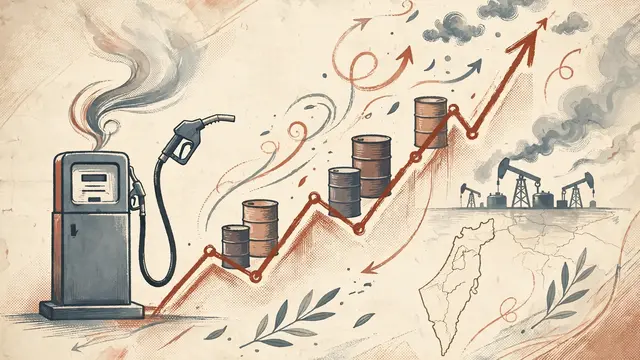
Israel is bracing for a historic surge in fuel prices, with the cost of 95-octane gasoline set to reach a record high of 8.27 shekels per liter starting Thursday. This increase of 52 agorot is attributed to a roughly 13% jump in international oil and refined product prices, driven by geopolitical tensions impacting energy market stability. Fluctuating exchange rates and domestic taxes, including fuel excise and VAT, also contribute significantly to the price hike.
The soaring fuel cost is emblematic of a wider trend of escalating living expenses in Israel throughout 2026. Several essential and leisure products have seen dramatic price increases, impacting consumers significantly. Olive oil prices have more than doubled for local products, reaching 50 to 60 shekels per bottle, due to severe droughts and climate impacts in major producing regions like Spain, leading to global shortages.
Coffee prices have also surged, with Turkish coffee rising by approximately 45% in some retail chains within a year, and branded instant coffee and capsules increasing by 10% to 40%. This is attributed to problematic global coffee yields and importers passing full costs onto consumers, leveraging consumer loyalty.
International travel has become considerably more expensive, with flight prices to overseas destinations increasing by about 7.5% in a single month during the peak summer season. This surge is a result of high demand versus low supply, reduced routes to Israel by foreign airlines due to the security situation, rising jet fuel costs, a global aircraft shortage, and increased European port fees.
Even chocolate and sweets, often seen as small comforts, have seen price hikes of 14% to 15% on average. Extreme price increases in cocoa, driven by crop diseases and droughts in West Africa, are directly impacting the cost of chocolate bars.
These price increases reflect a confluence of global factors, including climate crises and supply chain disruptions, alongside local challenges such as market concentration, high taxation, and the ongoing security situation. The ripple effect of higher fuel prices is expected to further increase transportation and shipping costs, potentially fueling another cycle of price hikes across the economy.
The same event, reported separately by each outlet. Open a few to compare what different newsrooms emphasize — and what they leave out.










Not the same event — other stories that share this one’s people, places, or theme: background, reactions, and follow-ups.




Ask About This Article
Duki reads it, and every newsroom on the same story, then answers with sources.
How the headlines differ
News Plus
One Event. Different Headlines.
See the words each newsroom chose, with the original headline beside the translation.