
Israel Gas Prices Hit Record High After 52 Agorot Jump
Translated & summarized from Bizportal by baba
Gasoline prices in Israel have reached a record high of 8.27 shekels per liter after a 52 agorot increase overnight. The hike is due to rising global oil prices, a stronger dollar, and the end of a temporary tax reduction.
The story in 5 lines · by baba
- Gasoline prices in Israel reached a record high of 8.27 shekels per liter.
- The price increased by 52 agorot overnight, a jump of 6.7%.
- Factors include rising oil prices, a stronger dollar, and expiring tax relief.
- The increase will raise the cost of filling a 50-liter tank by about 26 shekels.
- Further price increases are possible if oil and dollar remain high.
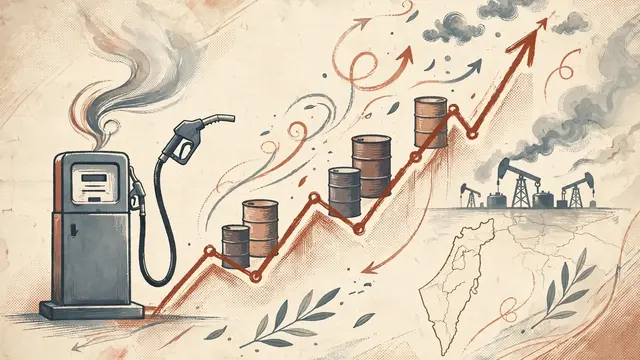
Drivers in Israel are facing a significant price hike for gasoline, with the maximum price for a liter of 95-octane unleaded self-service fuel set to increase by 52 agorot to 8.27 shekels starting midnight Wednesday. This represents a sharp 6.7% jump overnight, pushing the price to an all-time high in the country.
The surge is attributed to three main factors converging within the past month. Firstly, global Brent crude oil prices have been climbing for weeks, exceeding $106 per barrel due to rising tensions with Iran and concerns over trade routes. Secondly, the U.S. dollar exchange rate has risen to around 3.08 shekels, moving away from the lower summer levels. The third and most significant factor is the expiration of a temporary excise tax reduction that had been in effect during September, which had lowered the price to 7.75 shekels per liter.
The end of this tax relief, combined with the rising oil and dollar prices, has driven the cost past the previous early-September peak. For a household with one car, filling a 50-liter tank will now cost approximately 26 shekels more, reaching about 413 shekels. Families with two cars could see their monthly fuel expenses increase by hundreds of shekels annually.
This increase is expected to impact transportation and shipping costs, potentially filtering through to the consumer price index. Future price adjustments in November will depend on global oil markets, the dollar exchange rate, and tax policies. Analysts suggest that as long as Brent crude remains above $100 per barrel and the dollar stays around 3 shekels or higher, a return to summer price levels is unlikely in the near future.











