
Fuel Prices Surge in Israel Amid War Costs and Market Volatility
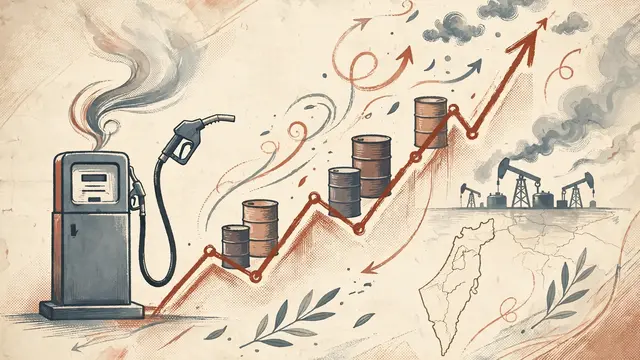
The price of gasoline in Israel is set to rise to a record high of 8.27 shekels per liter, an increase of 52 agorot, according to accountant Majd Karam. This jump is attributed to a confluence of factors, including regional tensions in the Persian Gulf, disruptions to oil transport through the Strait of Hormuz, attacks on oil infrastructure, and damage to refineries in Russia due to the war with Ukraine. Global energy market data indicates that rising international gasoline prices, reduced refining capacity, and concerns over oil supply have driven the increase, further exacerbated by a strengthening US dollar against the shekel.
Karam explained that this price hike follows a temporary fuel tax reduction of approximately 50 agorot per liter implemented in September, which had temporarily stabilized the price at 7.75 shekels. This tax cut is scheduled to expire at the end of October, potentially adding further upward pressure on prices if market conditions do not improve.
In response to the impending increase, Finance Minister Bezalel Smotrich has reportedly directed preparations for additional subsidies to mitigate the expected rise in fuel costs. Estimates suggest that an additional tax reduction could cost around 150 million shekels monthly. However, Karam cautioned that the government's capacity for sustained support is not unlimited, especially with elections approaching on October 27 and the escalating financial burden of the ongoing war.
Expanding on the broader economic impact, Karam highlighted the rising government debt due to war financing, suggesting that a portion of these costs are being deferred through borrowing and subsidies. Bank of Israel data estimates the war's cost between 2023 and 2026 at approximately 350 billion shekels, with roughly half funded by debt issuance. The bank also projects the debt-to-GDP ratio to reach 69-70% by 2026.
Karam warned that persistent military tensions and volatile energy markets make it difficult to view these price increases as merely temporary. He cautioned that ongoing pressures on fuel prices and the economy at large are likely to continue.
The same event, reported separately by each outlet. Open a few to compare what different newsrooms emphasize — and what they leave out.










Not the same event — other stories that share this one’s people, places, or theme: background, reactions, and follow-ups.




Ask About This Article
Duki reads it, and every newsroom on the same story, then answers with sources.
How the headlines differ
News Plus
One Event. Different Headlines.
See the words each newsroom chose, with the original headline beside the translation.